Curie Brief
Turn on cookies to sign in
Signing in saves your progress to your Curie account. We can only do that with cookies on — turn them on to continue.
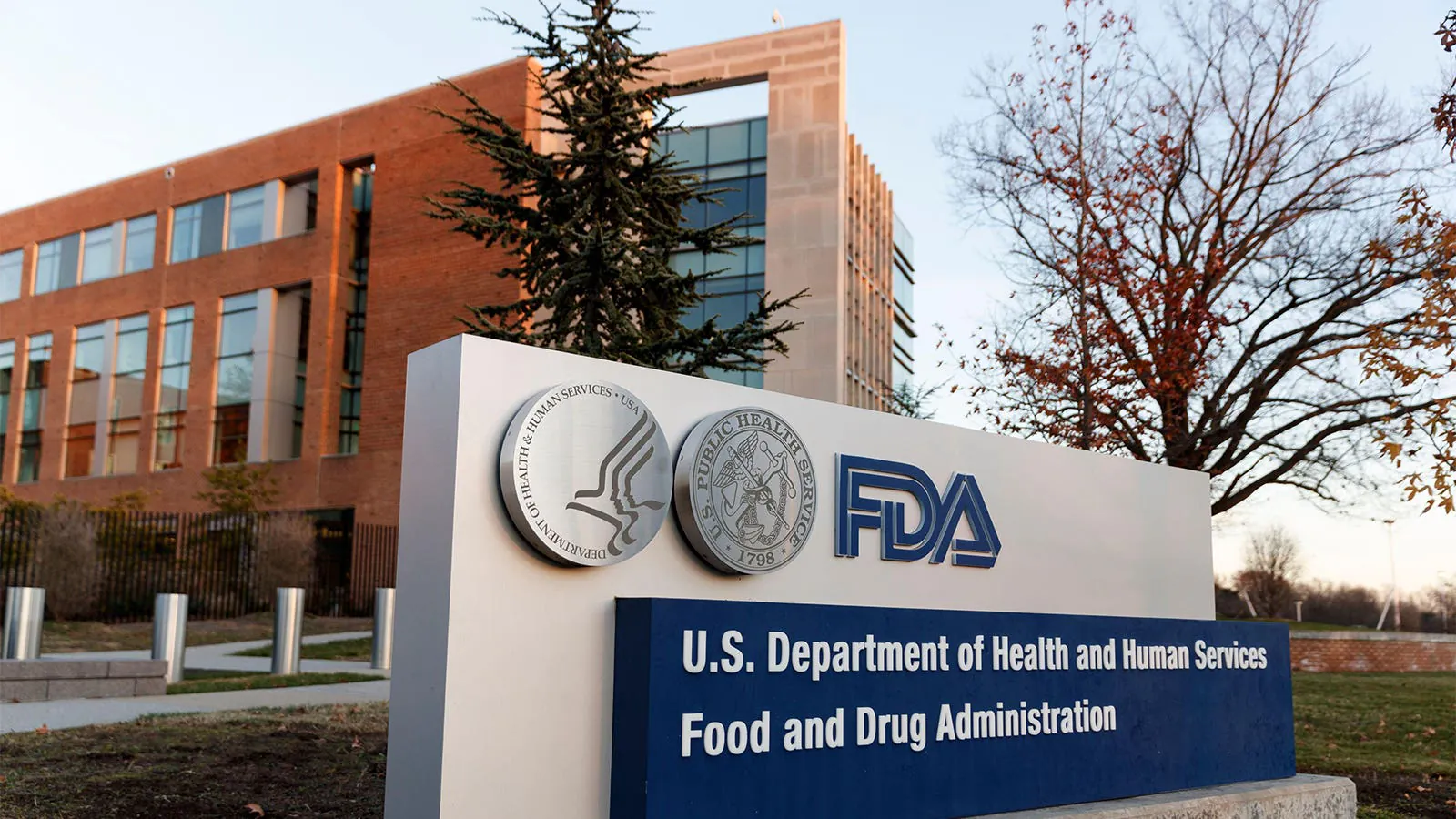
Hundreds of FDA-mandated postmarket studies for drugs and devices are running behind schedule — some by over a decade. A KFF Health News analysis found nearly 600 delayed studies, leaving patients and doctors in the dark about real-world safety. With the Trump administration pushing for faster drug approvals using fewer pre-approval trials, the pressure on this already-strained system is only growing.
When the FDA approves a drug or device with unanswered safety questions, it often requires manufacturers to conduct follow-up studies after launch. But a KFF Health News investigation reveals that system is badly broken. Nearly 600 postmarket studies are currently listed as delayed in FDA databases — some overdue by more than a decade — leaving patients, doctors, and payers without critical information about the risks and benefits of widely used products.
The problem spans drug classes and device types. Avacopan (Tavneos), approved in 2021 for a rare autoimmune disease, had only 49 of 300 required study patients enrolled as of July 2026 — even as the FDA now alleges the original approval trial data was manipulated and moves to pull the drug from the market. Paxlovid's pregnancy safety study missed its 2024 deadline. A postmarket study for an abuse-deterrent opioid was never completed before the drug was discontinued. For manufacturers, delay can be financially rewarding: companies continue selling products while studies drag on.
By the Numbers:
Why it matters: The Trump administration's push to reduce pre-approval clinical trials from two to one will place even greater reliance on postmarket studies to catch safety problems — making the chronic delays in this system a mounting public health concern.