Curie Brief
Turn on cookies to sign in
Signing in saves your progress to your Curie account. We can only do that with cookies on — turn them on to continue.
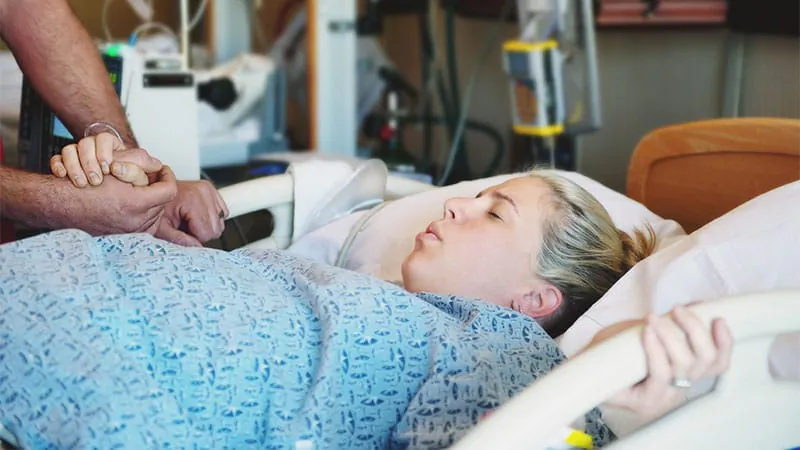
Cesarean deliveries for extremely early preterm births come with steep maternal costs. A large US study found that C-sections at 22–25 weeks of gestation were linked to more than double the odds of severe maternal complications compared to vaginal delivery — and their use is on the rise. Clinicians are being urged to factor these risks into delivery counseling when fetal benefit is uncertain.
A new study published in JAMA Network Open is raising important questions about cesarean delivery at the earliest stages of fetal viability. Analyzing nearly 100,000 singleton births between 22 and 25 weeks of gestation from 2016 to 2022, researchers found that C-sections at these "periviable" gestational ages were associated with dramatically higher rates of severe maternal complications compared to vaginal delivery — and the rate of cesarean use in this group has been climbing steadily.
The findings are especially striking given how uncertain the neonatal benefit of cesarean delivery can be at these gestational ages, making the maternal risk calculus all the more critical for clinical decision-making.
By the Numbers:
Why it matters: As C-section rates for periviable births continue to rise, clinicians need clear data to guide shared decision-making with patients. When the neonatal benefit is uncertain, the substantial maternal risks of cesarean delivery must be front and center in counseling conversations.