Curie Brief
Turn on cookies to sign in
Signing in saves your progress to your Curie account. We can only do that with cookies on — turn them on to continue.
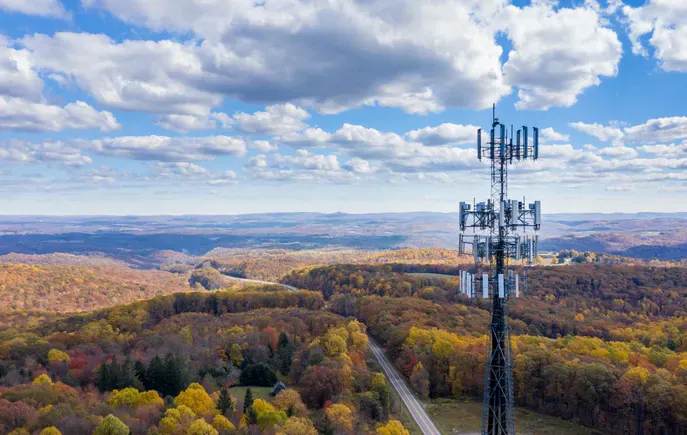
Slow internet is keeping millions from virtual care. A new JAMA Health Forum study finds that nearly 12 million Americans — mostly in rural areas — can't access telehealth due to insufficient broadband speeds. Researchers are urging policymakers to invest in infrastructure and expand reimbursement to close the gap.
A new study published in JAMA Health Forum reveals that nearly 12 million Americans are effectively cut off from telehealth services — not because they lack devices or subscriptions, but because their broadband speeds fall below the FCC's minimum threshold of 100/20 Mbps. Researchers from the University of Vermont analyzed data across 41 states covering more than 249 million people to map these "broadband deserts."
The problem is heavily concentrated in rural communities, particularly in the South and West, where limited internet infrastructure compounds existing healthcare access challenges. Notably, 95% of rural residents have a computing device and nearly 89% have a broadband subscription — meaning the bottleneck is connection quality, not device ownership.
Why it matters: Telehealth surged during COVID-19 and remains more widely used than pre-pandemic levels, but its promise of bridging healthcare gaps — especially for rural and underserved populations — can't be fully realized without reliable connectivity. Researchers are calling on policymakers to boost broadband investment and expand reimbursement policies to make virtual care truly accessible.