Curie Brief
Turn on cookies to sign in
Signing in saves your progress to your Curie account. We can only do that with cookies on — turn them on to continue.
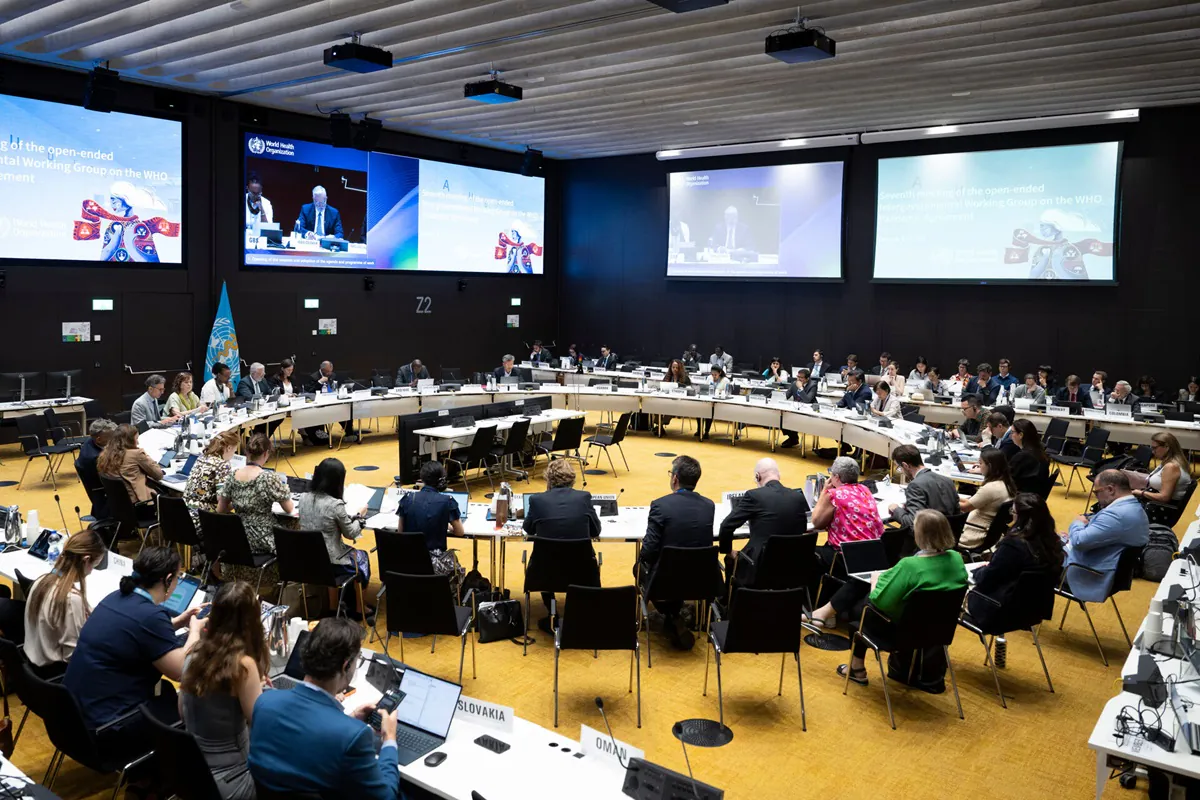
WHO member states wrapped up a key round of talks in Geneva on a pathogen access and benefit-sharing (PABS) system — a critical piece of the global Pandemic Agreement adopted in 2025. The goal: make sure countries can quickly share pathogen data and get fair access to the vaccines and treatments developed from it. Finalizing the PABS annex is now a top priority as world leaders head to the UN General Assembly on September 25.
WHO member states wrapped up their eighth round of negotiations in Geneva on a pathogen access and benefit-sharing (PABS) system — a cornerstone of the WHO Pandemic Agreement adopted by the World Health Assembly in 2025. The PABS annex is designed to ensure that when a new pandemic-potential pathogen emerges, countries rapidly share both biological materials and genetic sequence data, while also receiving equitable access to the vaccines, therapeutics, and diagnostics developed from that information.
The talks come just ahead of the Second UN General Assembly High-Level Meeting on Pandemic Prevention, Preparedness and Response on September 25, 2026, where heads of state are expected to reaffirm political commitment to pandemic readiness. A political declaration up for adoption at that meeting explicitly calls for timely completion of the PABS annex — signaling that global momentum is building.
Key Takeaways:
Why it matters: COVID-19 exposed deep inequities in how pathogen data was shared and how life-saving tools were distributed globally. The PABS system is the world's attempt to fix that — making the next pandemic response faster and fairer for all nations.