Curie Brief
Turn on cookies to sign in
Signing in saves your progress to your Curie account. We can only do that with cookies on — turn them on to continue.
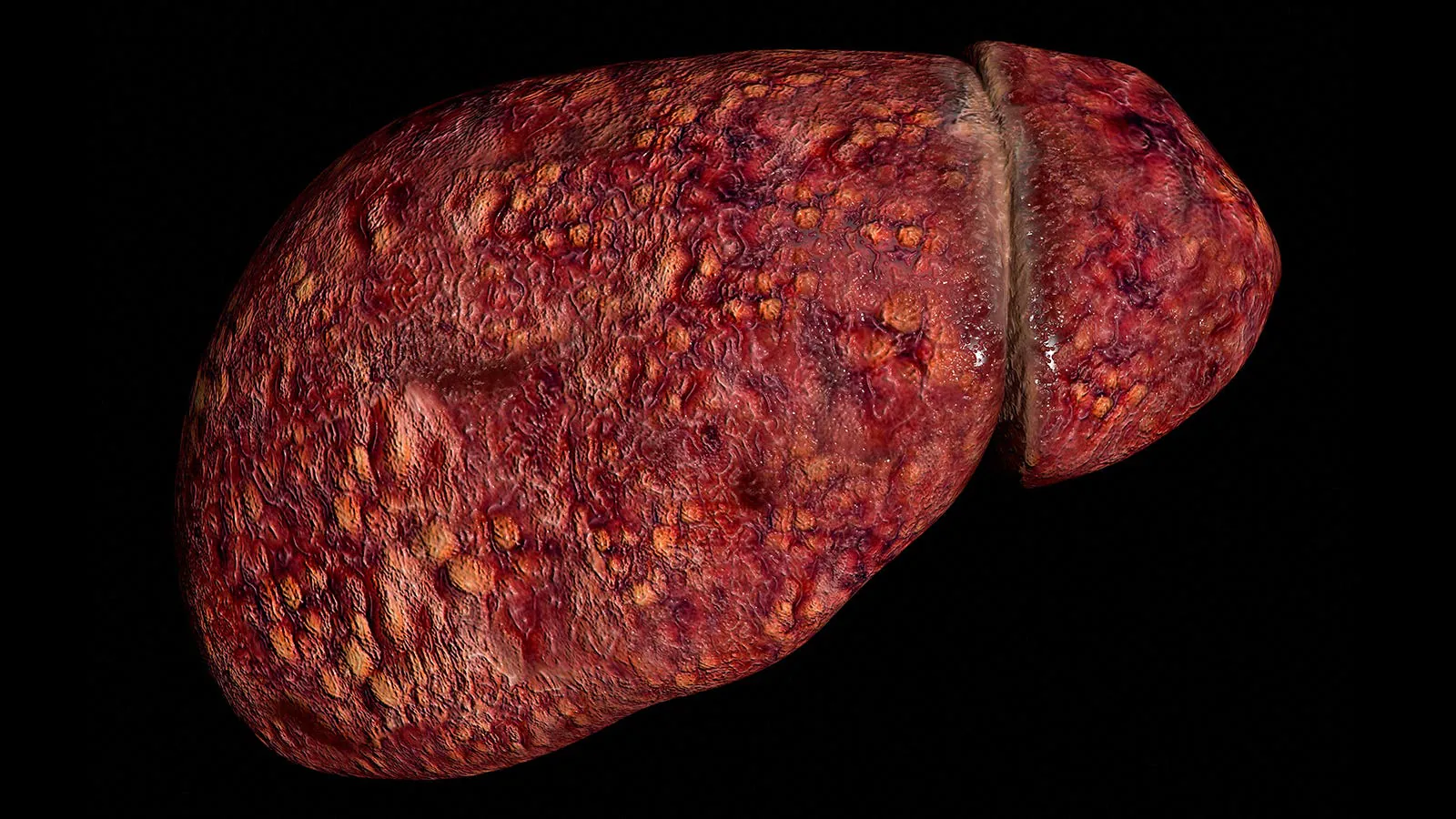
A new study finds that 1 in 4 MASLD cirrhosis patients develop the condition before age 50, driven by a unique mix of genetic risk and type 2 diabetes. Alarmingly, standard screening tools miss nearly a third of these younger cases. Researchers are calling for age-aware approaches to catch at-risk patients earlier.
A prospective multicenter study published in Clinical Gastroenterology and Hepatology reveals that younger adults with metabolic dysfunction-associated steatotic liver disease (MASLD) cirrhosis aren't just getting the same disease earlier — they're a distinct group. About 25% of MASLD cirrhosis patients presented before age 50, and their disease was strongly linked to a high genetic risk score and type 2 diabetes, both of which independently predicted early-onset cirrhosis.
What's especially concerning is that current screening tools are falling short. The widely used Fibrosis-4 (FIB-4) index factors in age, which means it routinely underestimates risk in younger patients — missing roughly 30% of early-onset MASLD cirrhosis cases. Researchers suggest a lower FIB-4 cut-point of 1.0 (vs. the standard 1.3) could capture 82.7% of these cases.
Key Takeaways:
Why it matters: Younger patients with MASLD cirrhosis are being missed by standard clinical pathways. Identifying genetic and metabolic red flags early could open the door to timely intervention and better outcomes for a growing at-risk population.