Curie Brief
Turn on cookies to sign in
Signing in saves your progress to your Curie account. We can only do that with cookies on — turn them on to continue.
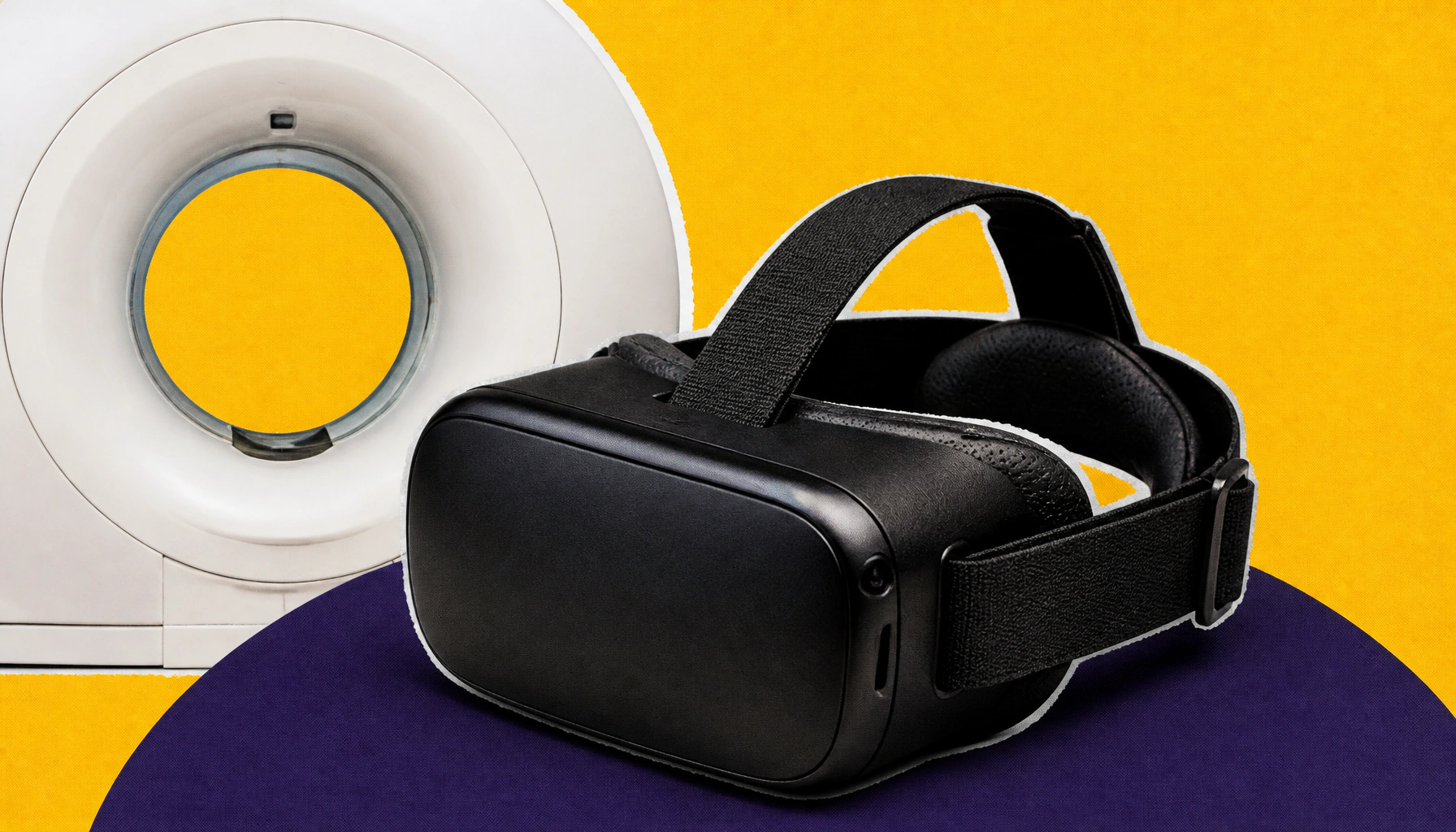
Claustrophobia no more? A new study found that VR headsets helped anxious patients get through cardiac PET/CT scans — with 95% successfully completing their imaging. The low-cost intervention didn't disrupt staff workflow and could save thousands per avoided cancellation.
For patients who dread the confined space of a cardiac imaging scanner, virtual reality may offer a surprisingly simple fix. Researchers at UCHealth tested VR headsets on 105 patients with self-reported anxiety or claustrophobia during PET/CT cardiac imaging. Patients were fitted with the headset before entering the scanner and shown calming virtual environments — with no changes to imaging protocols or scan time.
The results were encouraging: 95% of patients completed their imaging study, 80% wore the headset for the full duration, and 76% reported a positive experience. Importantly, the headsets caused no imaging artifacts and didn't require extra staff or scan time.
By the Numbers:
Why it matters: Anxiety and claustrophobia are real barriers to completing necessary cardiac diagnostics. VR offers a non-drug alternative that could reduce canceled procedures, cut costs, and improve patient access to care — all without adding burden to clinical staff.