Curie Brief
Turn on cookies to sign in
Signing in saves your progress to your Curie account. We can only do that with cookies on — turn them on to continue.

Rural America has a heart disease problem — and a doctor shortage to match. Interventional cardiologist Mandar Jagtap argues that office-based coronary CT angiography (CCTA), telehealth, and updated risk calculators like PREVENT could bring earlier CVD detection to underserved communities. The key is rethinking how and when we deploy the tools we already have.
Rural America has a heart disease crisis hiding in plain sight. Cardiovascular disease (CVD) kills more Americans than all cancers and accidental deaths combined, yet rural communities — where specialist access is scarce and disease rates are highest — often don't catch it until it's an emergency. In Mississippi, where Dr. Mandar Jagtap practices, life expectancy is nearly 5 years below the national average, and the state has one of the highest rates of heart disease deaths in the country.
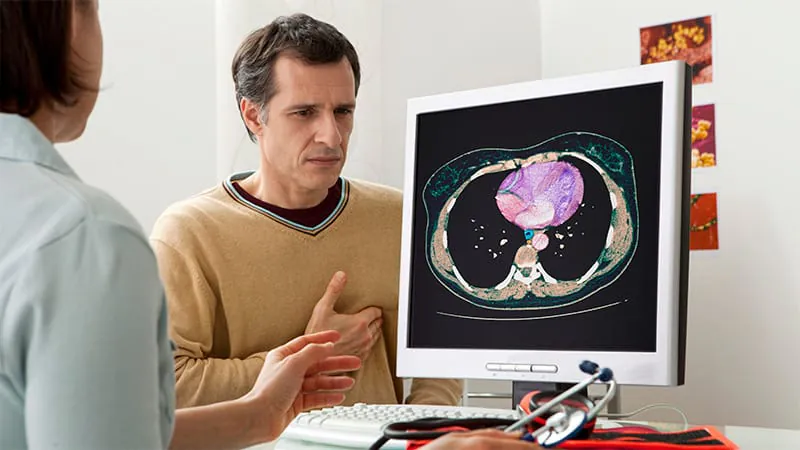
The problem isn't just a lack of doctors — it's a lack of early detection. Stress tests only work once symptoms appear, and advanced imaging like coronary artery calcium (CAC) scoring requires infrastructure most rural hospitals don't have. Dr. Jagtap argues that office-based CCTA, telehealth cardiology consultations, and the ACC/AHA's new PREVENT risk calculator — which uses routine physical data to estimate 10- and 30-year heart attack risk — could shift the paradigm toward true preventive screening.
Key Takeaways:
Why it matters: A century into CVD being America's #1 killer, there's still no universal screening tool for asymptomatic patients. Deploying existing technologies more strategically in rural settings could save lives without waiting for a medical breakthrough.