Curie Brief
Turn on cookies to sign in
Signing in saves your progress to your Curie account. We can only do that with cookies on — turn them on to continue.
ACOG now recommends routine bilateral salpingectomy — removal of both fallopian tubes — during hysterectomy and other abdominal surgeries to dramatically cut ovarian cancer risk. Studies show the procedure can reduce risk by up to 78–80%, yet insurance gaps, consent rules, and limited cross-specialty training keep it out of reach for many patients. Experts and surgeons are calling for systemic changes to make this cancer-prevention option widely accessible.
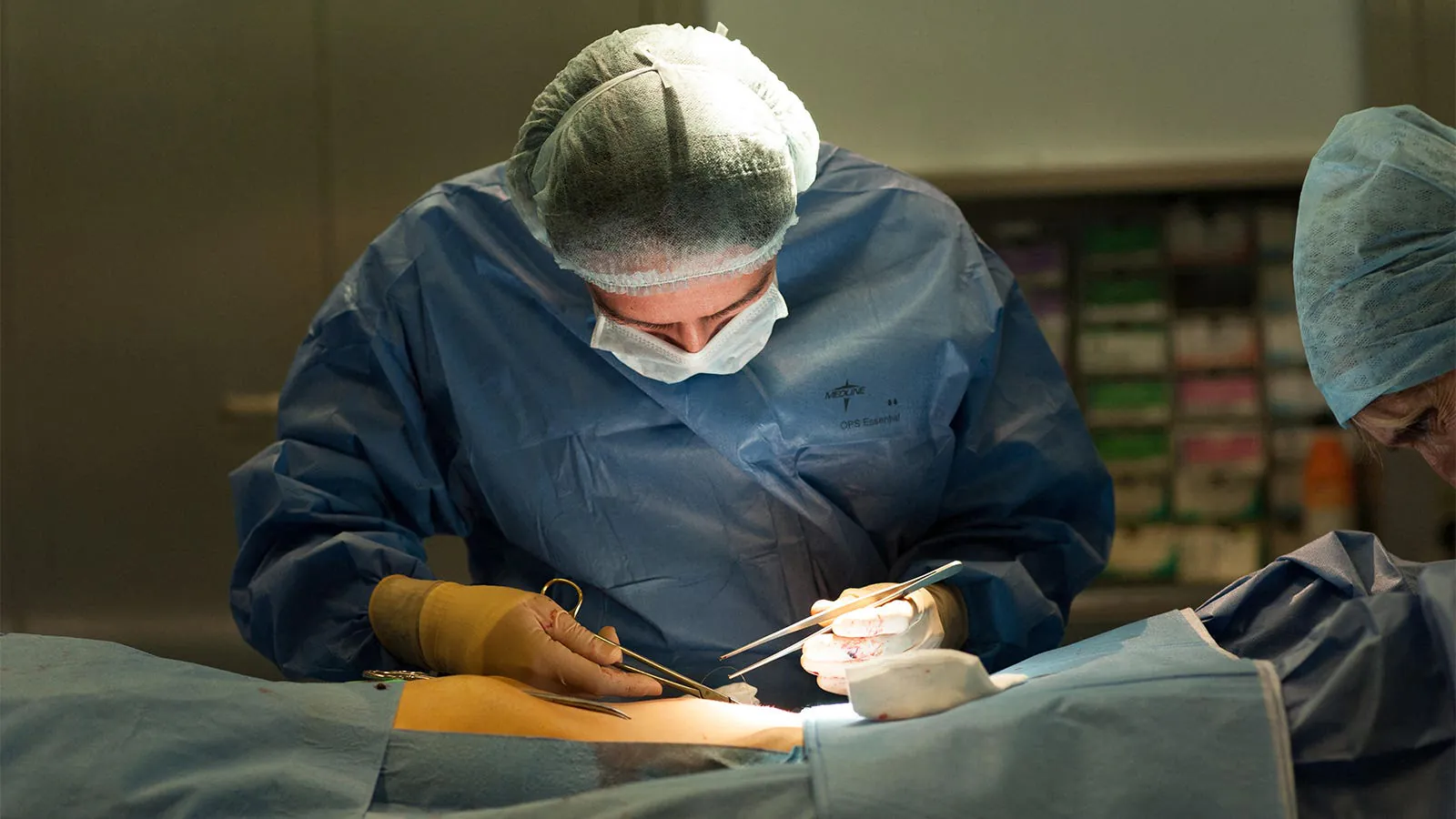
The American College of Obstetricians and Gynecologists (ACOG) has significantly strengthened its guidance on opportunistic bilateral salpingectomy (OBS) — the removal of both fallopian tubes during an otherwise planned surgery — as a powerful strategy to prevent ovarian cancer. The updated recommendation calls for routine salpingectomy during hysterectomy and encourages ob/gyns to collaborate with other surgical specialists to extend the option to patients undergoing non-gynecologic abdominal procedures like gallbladder or hernia surgery.
The science behind the move is compelling: most ovarian cancers are now believed to originate in the fallopian tubes, and removing them leaves the ovaries intact, avoiding premature menopause. But despite strong evidence, real-world implementation faces significant hurdles — including insurance coverage gaps, federal Medicaid consent rules designed for sterilization procedures, and a lack of cross-specialty training for general surgeons who could offer the procedure during routine operations.
Key Takeaways:
Why it matters: Ovarian cancer is often diagnosed late and carries high mortality. Opportunistic salpingectomy represents a rare, actionable prevention window — but closing the gap between evidence and access will require coordinated action from insurers, policymakers, surgical societies, and training programs.