Curie Brief
Turn on cookies to sign in
Signing in saves your progress to your Curie account. We can only do that with cookies on — turn them on to continue.
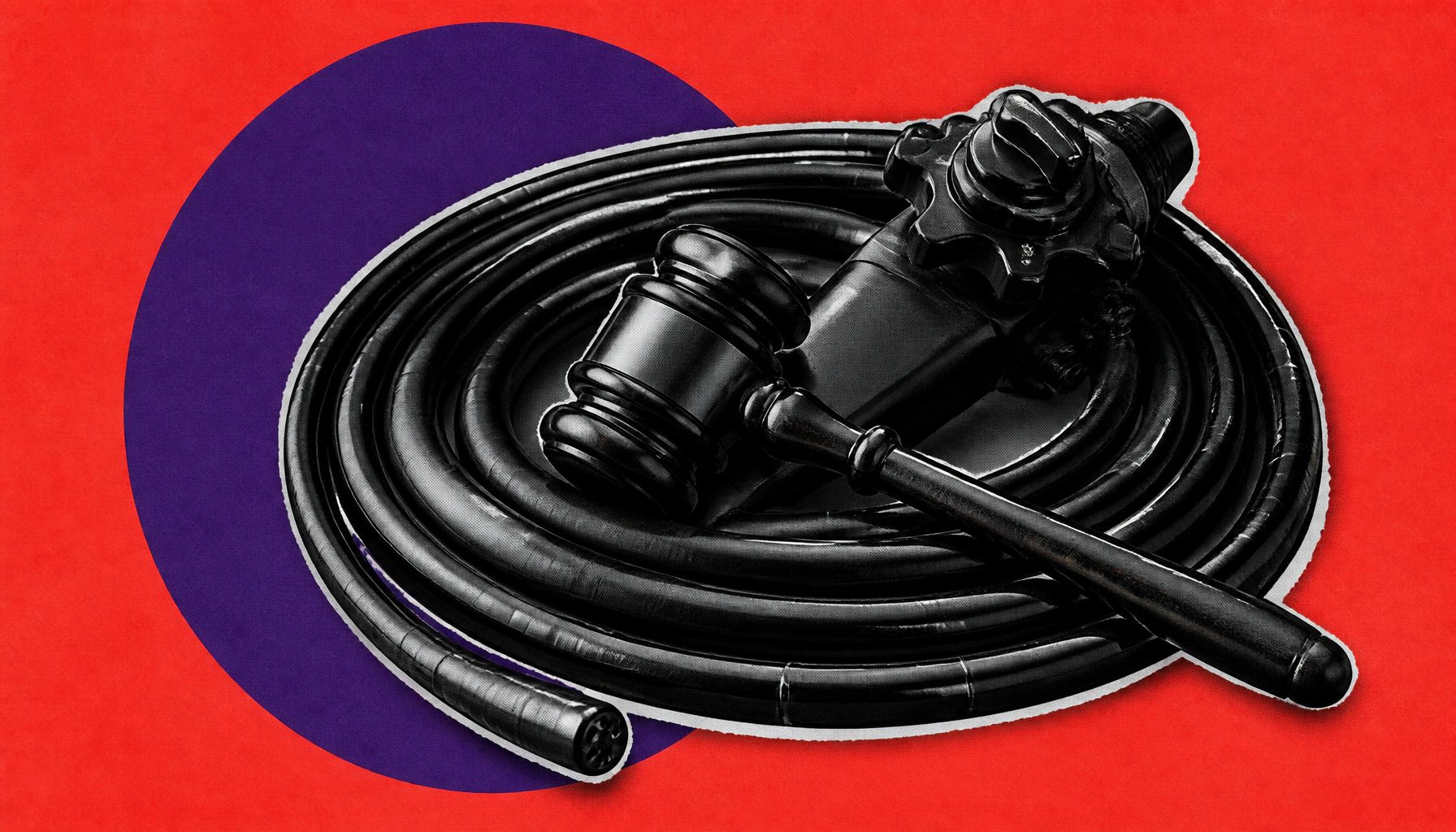
AI-powered polyp detection tools are raising adenoma counts in colonoscopy — but at a cost. Studies show endoscopists who rely on computer-aided detection (CADe) may perform worse when the AI is off, raising "deskilling" alarms. Experts say the path forward requires smarter workflows, better trust calibration, and rigorous independent validation before AI becomes the standard of care in gastroenterology.
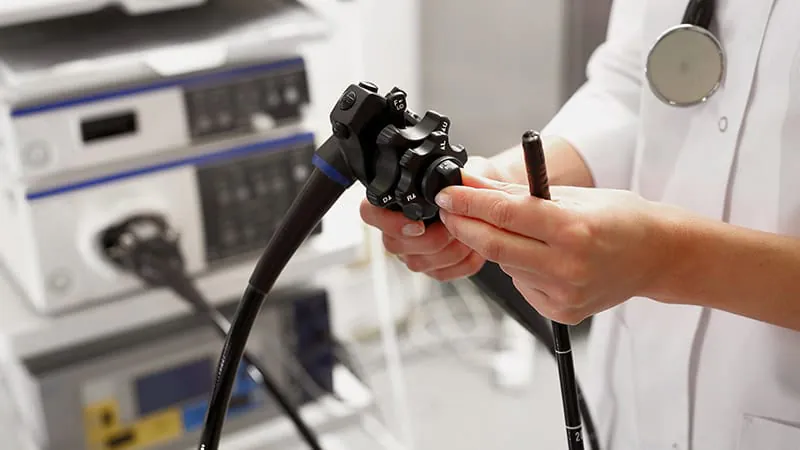
AI-powered computer-aided detection (CADe) tools are reshaping colonoscopy, boosting adenoma detection rates and reducing missed polyps in randomized trials. But a growing body of evidence suggests the gains come with a hidden cost: endoscopists who routinely use CADe may see their detection skills erode when the AI isn't running — a phenomenon researchers are calling "deskilling." Experts writing in the United European Gastroenterology Journal and Gastroenterology warn that CADe's real-world benefits are far less consistent than trial results suggest, and that false-positive alerts (averaging ~26–27 per colonoscopy) are fueling clinician distrust and tool disengagement.
The trust problem runs deeper than false alarms. How much an endoscopist delegates to AI depends heavily on career stage and experience — early-career clinicians tend to follow most alerts, while many late-career physicians disengage entirely. Meanwhile, the AGA's new GI-specific AI assistant, Nigel, and tools like Medtronic's GI Genius are expanding AI's footprint in gastroenterology beyond detection into clinical decision support.
Key Takeaways:
Why it matters: As AI tools move toward becoming standard practice in gastroenterology, the field must grapple with more than just detection metrics. Deskilling, false-positive fatigue, and inconsistent real-world performance mean that uncritical adoption could undermine the very outcomes these tools promise to improve.