Curie Brief
Turn on cookies to sign in
Signing in saves your progress to your Curie account. We can only do that with cookies on — turn them on to continue.
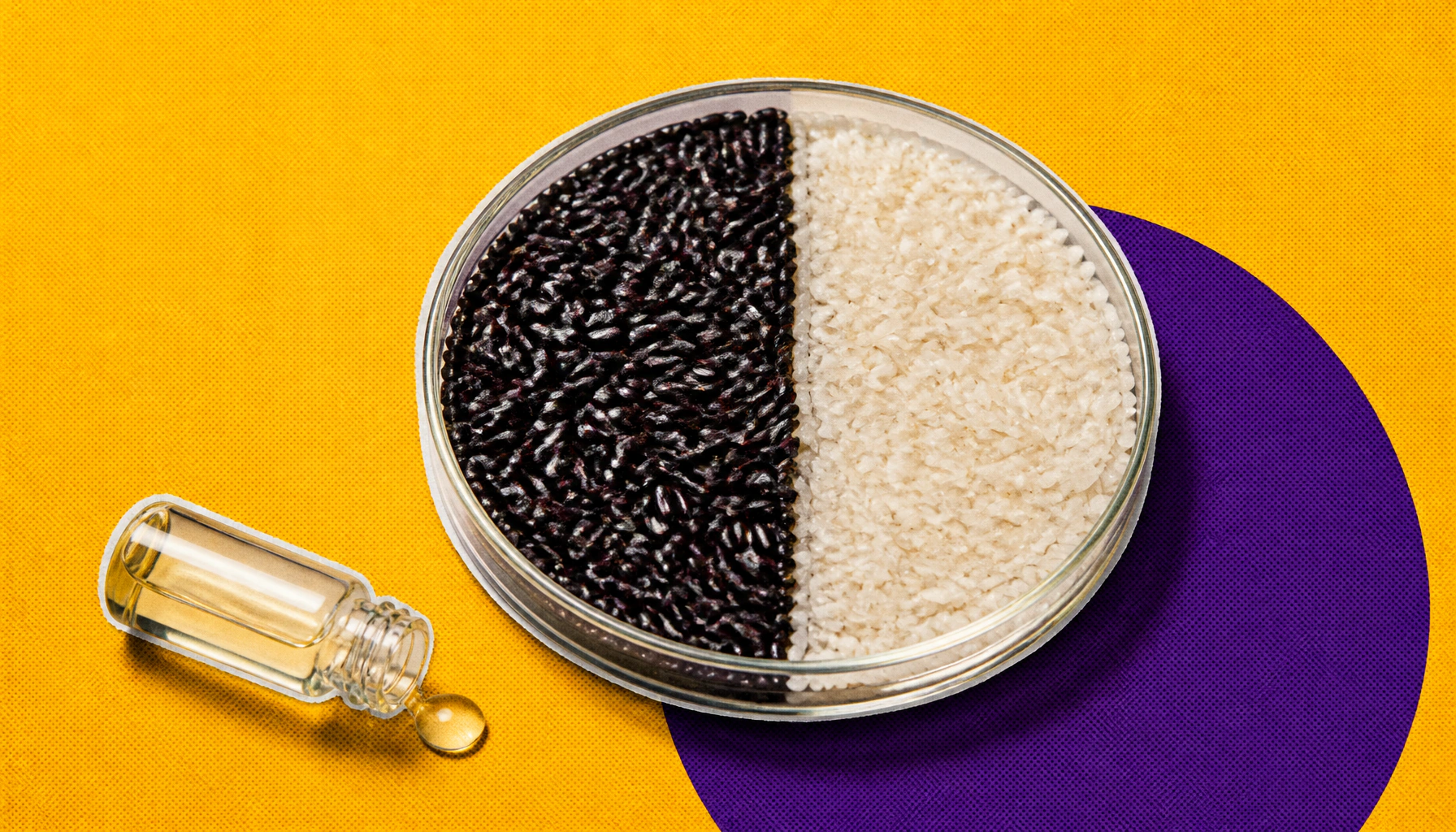
Colorful rice varieties may be more than just pretty on the plate. Researchers at Hokkaido University found that black and green Japanese rice contain unique beneficial fats and digest more slowly than white rice — a combination that could help manage blood sugar and reduce the risk of type 2 diabetes. The study is the first to detect a class of potentially anti-inflammatory lipids called FAHMFAs in rice.
Researchers at Hokkaido University analyzed 56 varieties of Japanese japonica rice and discovered that black and green pigmented varieties contain a surprisingly rich array of beneficial fats — including compounds never before detected in rice. The study, published in Food Research International, used advanced techniques like liquid chromatography and mass spectrometry to identify 196 distinct lipid molecules across five major groups.
Black and green rice stood out for their unique lipid profiles, containing FAHMFAs (fatty acid esters of hydroxy medium-chain fatty acids) and LNAPEs — compounds previously linked to anti-inflammatory activity and improved metabolic health in other biological systems. This marks the first time FAHMFAs have been found in rice. Lab-based digestion tests also showed that black and green rice break down starch more slowly than white rice, meaning glucose enters the bloodstream more gradually after a meal.
By the Numbers
Why it matters: These findings could pave the way for new "functional" rice products aimed at better managing diabetes and other lifestyle-related diseases — offering a simple, food-based approach to metabolic health.