Curie Brief
Turn on cookies to sign in
Signing in saves your progress to your Curie account. We can only do that with cookies on — turn them on to continue.
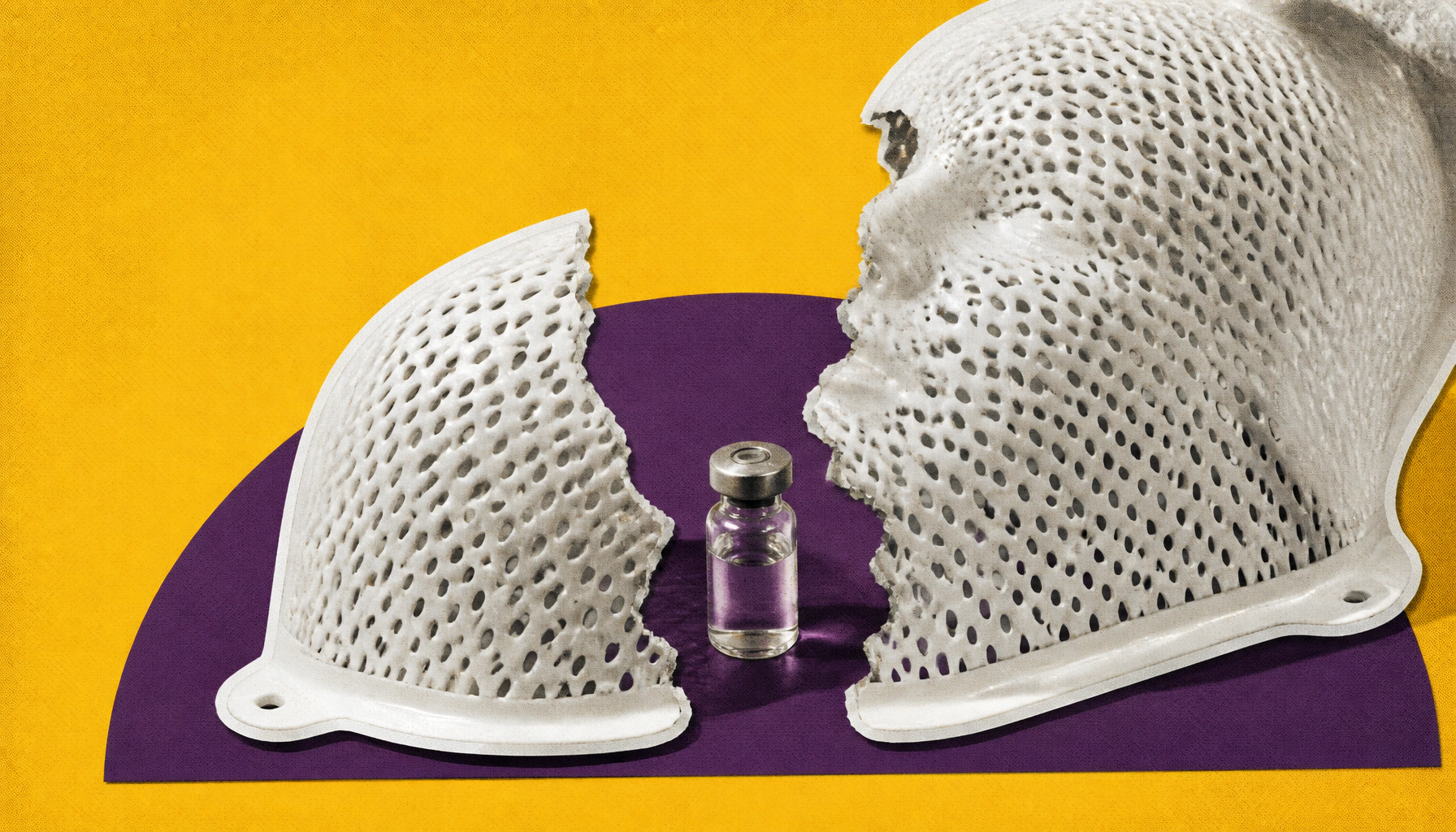
Researchers have developed a clever new way to fight mesothelioma — by disabling the very antioxidant shield cancer cells rely on to survive. In an early clinical trial, the experimental drug RSO-021 controlled disease progression in 67% of patients and showed promising survival results. The approach could eventually be applied to other hard-to-treat cancers.
Mesothelioma, a rare and aggressive cancer tied to asbestos exposure, has long been one of oncology's toughest challenges — with a median survival of just 12 months and a 5-year survival rate of roughly 10%. But researchers at the University of Vermont may have found a clever new angle: turning the cancer's own defenses against it.
The experimental drug RSO-021 works by blocking PRX3, an antioxidant enzyme that mesothelioma cells rely on to survive their own toxic internal environment. Without PRX3, oxidative stress builds up inside tumor cells until they self-destruct. Because cancer cells already produce more reactive oxygen species than healthy cells, they appear especially vulnerable to this approach — potentially making it more targeted than conventional therapies. The drug also appeared to modulate the immune system's response to the cancer, beyond directly killing tumor cells.
In a Phase 1 trial conducted in the UK, RSO-021 was delivered directly into the chest cavity of patients with relapsed mesothelioma. Phase 2 results are expected to be presented at a global oncology meeting later this year.
By the Numbers:
Why it matters: With so few effective treatments for mesothelioma, RSO-021 represents a genuinely novel mechanism — and if the Phase 2 data holds up, this PRX3-targeting strategy could be adapted for other cancers, including gastric and gastrointestinal malignancies.