Curie Brief
Turn on cookies to sign in
Signing in saves your progress to your Curie account. We can only do that with cookies on — turn them on to continue.
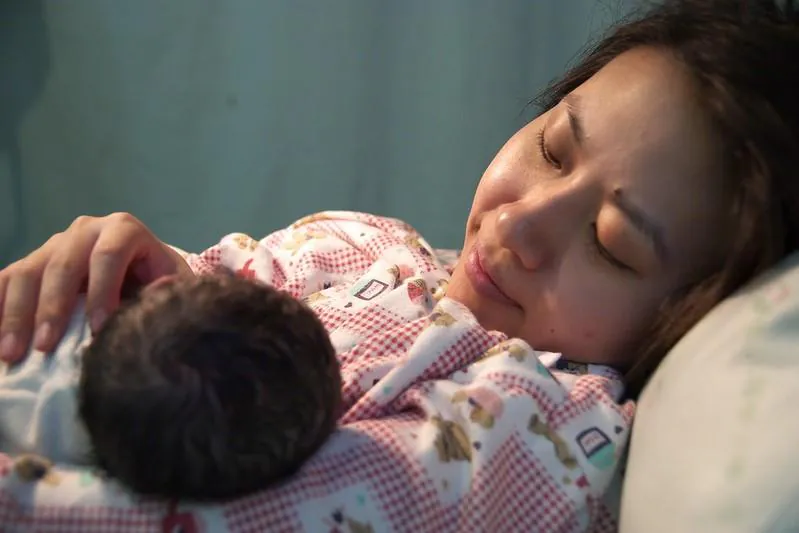
When it comes to breathing troubles after leaving the hospital, extremely preterm babies with bronchopulmonary dysplasia (BPD) fare similarly to those born just a few weeks later. A new study found no significant differences in ER visits, hospital readmissions, or sick clinic visits between the two groups — and the earliest preemies actually needed fewer medications for acute respiratory illness.
When it comes to breathing troubles after leaving the hospital, extremely preterm babies with bronchopulmonary dysplasia (BPD) fare similarly to those born just a few weeks later. A new retrospective cohort study published in The Journal of Pediatrics compared respiratory outcomes in infants born at 22–23 6/7 weeks of gestation versus those born at 24–25 6/7 weeks, tracking them through BPD specialty clinics up to age 3.
Despite the earliest preemies having higher rates of severe BPD and more frequent discharge on supplemental oxygen, the two groups showed no meaningful differences in sick clinic visits, ER visits, or hospital readmissions for respiratory issues. Notably, the most extremely preterm infants were actually less likely to need antibiotics, systemic steroids, or rescue medications for acute respiratory illness.
By the Numbers:
Why it matters: These findings challenge the assumption that earlier gestational age automatically translates to worse post-discharge respiratory outcomes. For clinicians managing BPD, this highlights the importance of tracking outpatient respiratory trajectories across the full gestational-age spectrum rather than relying on birth timing alone.