Curie Brief
Turn on cookies to sign in
Signing in saves your progress to your Curie account. We can only do that with cookies on — turn them on to continue.
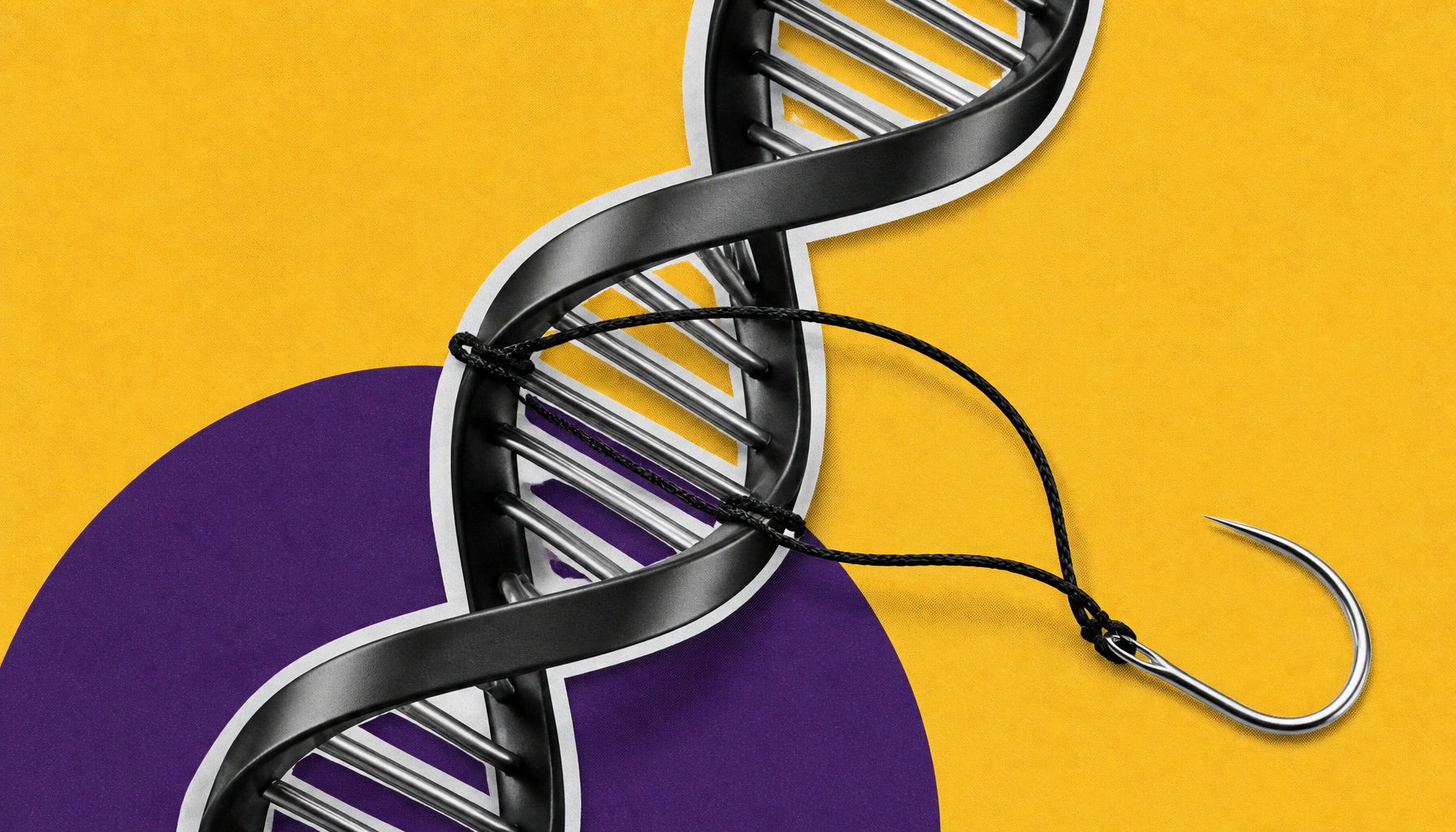
Your DNA doesn't just change what it does after an injury — it changes how it's shaped. A new study in Science Advances found that specific chromatin loops (physical bridges between distant DNA regions) are essential for tissue regeneration. Disrupting these loops significantly reduced healing capacity, revealing a whole new layer of genetic regulation in repair.
When your body gets injured, your DNA doesn't just flip genes on and off — it physically reorganizes itself. A new study led by researchers at the University of Barcelona found that specific three-dimensional DNA structures called chromatin loops are essential for tissue regeneration. These loops act as bridges, connecting distant regions of the genome and enabling the right genes to be activated during healing.
Using fruit fly wing tissue as a model, the team identified three specific DNA loops that are critical for efficient regeneration. When the regions responsible for forming these loops were disrupted, the tissue's ability to heal dropped significantly — while normal development remained largely unaffected. This suggests the loops are specifically tuned for repair, not routine biological function.
Key Takeaways:
Why it matters: This discovery opens a new frontier in regenerative medicine. Understanding how genome organization drives healing could eventually lead to therapies that enhance tissue repair in humans — particularly for conditions where regeneration is impaired.