Curie Brief
Turn on cookies to sign in
Signing in saves your progress to your Curie account. We can only do that with cookies on — turn them on to continue.
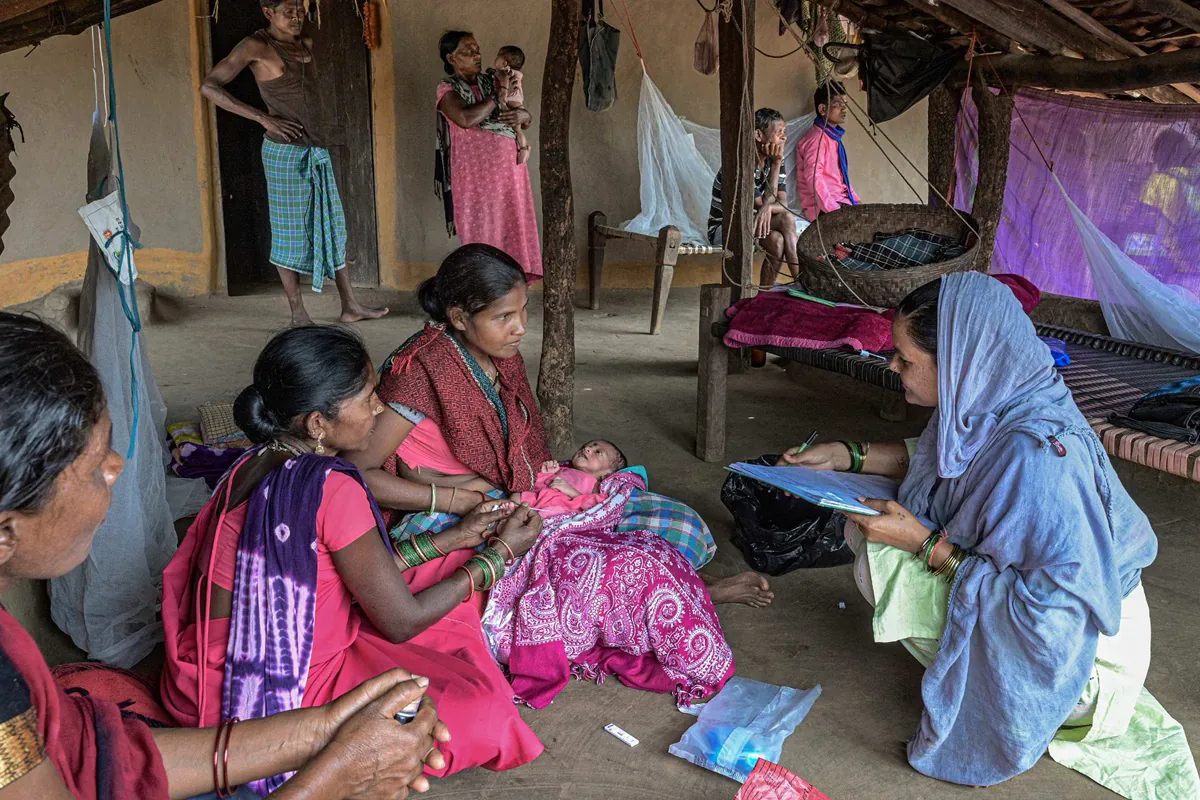
Over 120 countries are prioritizing integrated public health capacity as part of WHO's 2025–2028 global strategy. The Essential Public Health Functions (EPHFs) framework aims to unify health promotion, disease prevention, and emergency preparedness under one coordinated approach. With fragmented funding and strained budgets, the push is on for nationally owned, sustainable health systems.
More than 120 countries have flagged building institutional public health capacity as a top priority, and WHO is stepping up to help. At the heart of this effort is the Essential Public Health Functions (EPHFs) framework — a structured approach that brings together health promotion, disease prevention, risk protection, and emergency preparedness under a single, coordinated strategy. It's a direct response to years of fragmented programs, uneven workforce investment, and over-reliance on donor funding, especially in low- and middle-income countries.
The EPHF agenda is gaining real-world traction. WHO-backed projects are already underway in Iraq, Morocco, Pakistan, Maldives, Papua New Guinea, and several African nations, with support from China's Global Development Fund and EU-funded initiatives. Meanwhile, the 16th BRICS Health Ministers' Declaration formally recognized National Public Health Institutes (NPHIs) as Centers of Excellence for EPHFs, signaling growing multilateral buy-in.
Key Takeaways:
Why it matters: Fragmented public health systems leave countries vulnerable — to everyday health needs and large-scale emergencies alike. By building integrated, nationally owned capacity, countries can do more with limited resources, protect hard-won health gains, and reduce the economic fallout of future health crises.