Curie Brief
Turn on cookies to sign in
Signing in saves your progress to your Curie account. We can only do that with cookies on — turn them on to continue.
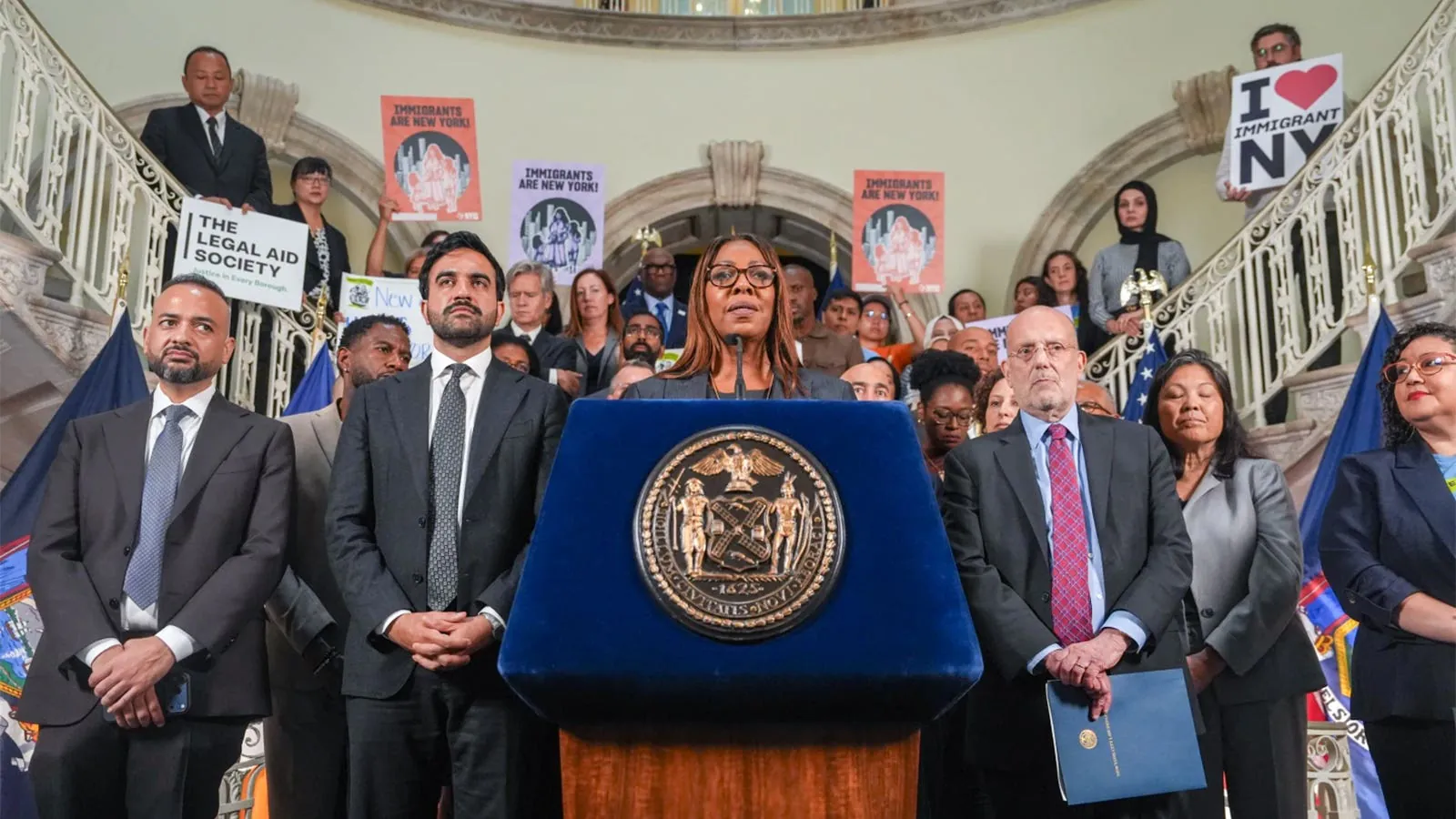
A coalition of 22 Democratic-led states and major U.S. cities filed lawsuits challenging a new federal "public charge" rule set to take effect September 18. The rule gives immigration officers broad discretion to deny green cards to immigrants who use public benefits like Medicaid, SNAP, and housing vouchers. Critics warn it will create a chilling effect, pushing families away from care they're legally entitled to.
A coalition of 22 Democratic-led states — led by New York Attorney General Letitia James — along with major cities including New York, Chicago, San Francisco, and Seattle, filed federal lawsuits challenging the Trump administration's revived "public charge" rule. Set to take effect September 18, the rule gives immigration officers sweeping discretion to deny green cards to immigrants based on their use of public benefits like Medicaid, CHIP, SNAP, and housing vouchers — without specifying which programs count or for how long.
Critics argue the rule goes far beyond existing law, which already requires green card applicants to show they won't become overly reliant on public support. Under the new policy, even a U.S. citizen child's use of state health insurance or a school lunch program could jeopardize a parent's green card application. Public health groups warn the rule will discourage immigrant families from seeking care they're legally entitled to, worsening health disparities and increasing uncompensated ER costs.
By the Numbers:
Why it matters: Beyond its legal implications, the rule has a documented chilling effect on immigrant communities — including U.S.-born children — discouraging them from accessing healthcare and nutrition programs. Providers, hospitals, and Medicaid-dependent health systems could also face significant revenue losses if enrollment drops.