Curie Brief
Turn on cookies to sign in
Signing in saves your progress to your Curie account. We can only do that with cookies on — turn them on to continue.
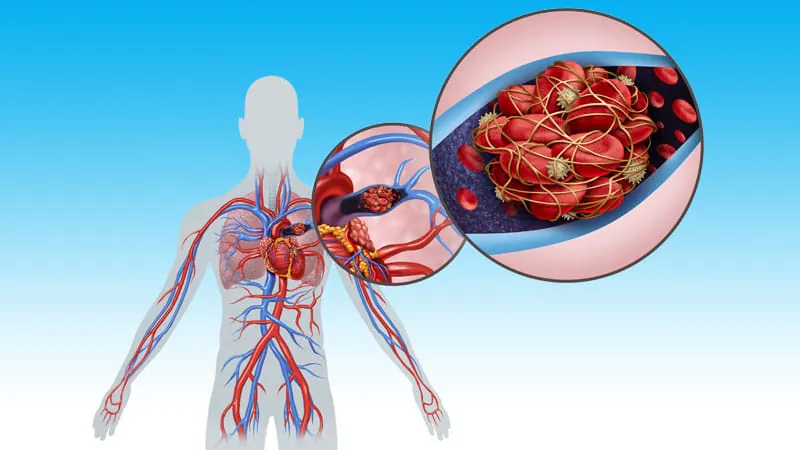
A major randomized trial shows adding catheter-directed thrombolysis to standard anticoagulation cuts the 7-day risk of death, recurrent PE, or cardiorespiratory collapse by 90% in intermediate-to-high-risk PE patients. The PRAGUE-26 trial, published in the New England Journal of Medicine, found the procedure requires no specialized equipment and can be performed in any standard cath lab — potentially reshaping how PE care is organized globally.
The PRAGUE-26 trial has delivered striking results: adding catheter-directed thrombolysis (CDT) with alteplase to standard anticoagulation reduced the 7-day composite risk of death, recurrent PE, or cardiorespiratory decompensation by a relative 90% compared to anticoagulation alone in patients with intermediate-to-high-risk PE. The findings, published in the New England Journal of Medicine and presented at ESC Congress 2026, involved 558 patients across 11 Czech tertiary care centers.
What makes this particularly compelling is the simplicity of the approach. Unlike ultrasound-guided methods used in prior trials, PRAGUE-26 used standard right-heart catheterization with an infusion catheter — no specialized equipment or training required. Investigators say any interventional cardiologist can perform it using existing cath lab infrastructure, with a short learning curve.
Why it matters: PE management has largely been unchanged for 30 years. PRAGUE-26 — alongside HI-PEITHO and STORM-PE — is building a strong case for interventional PE treatment, and experts say it could accelerate the push to organize structured, STEMI-like care networks for PE patients worldwide.