Curie Brief
Turn on cookies to sign in
Signing in saves your progress to your Curie account. We can only do that with cookies on — turn them on to continue.
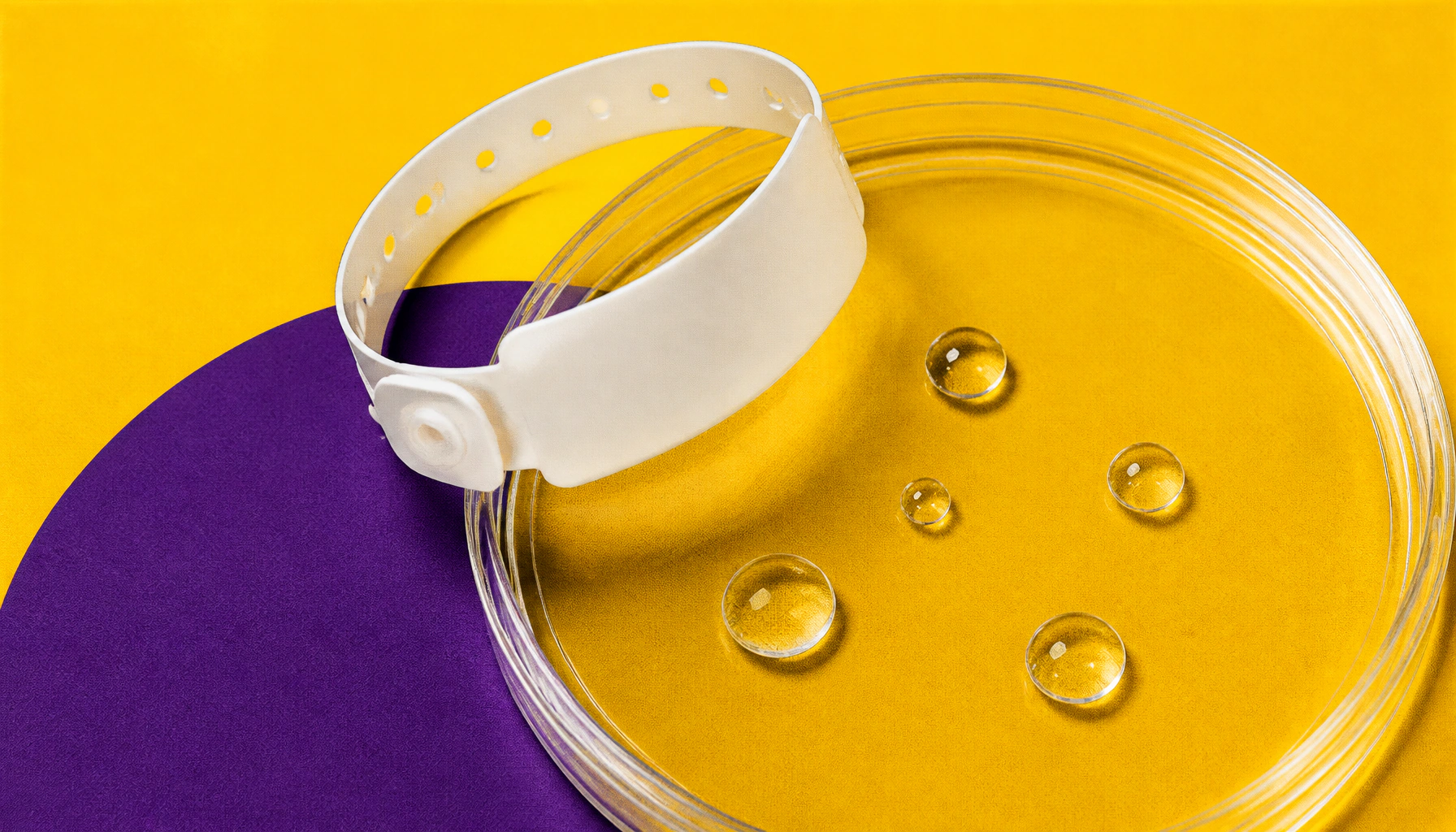
Could fertility treatments raise a child's risk of Kawasaki disease? A large Japanese study says possibly yes. Researchers found that ovulation induction, intrauterine insemination, and IVF were each associated with a significantly higher risk of Kawasaki disease in children under 5, though experts caution that correlation doesn't equal causation.
A nationwide Japanese cohort study published in JAMA Network Open found that most assisted reproductive technologies (ART) — including ovulation induction, intrauterine insemination (IUI), and IVF — were associated with a meaningfully higher risk of Kawasaki disease (KD) in children under age 5. The study analyzed data from over 100,000 children followed through 59 months, making it one of the first to explore this potential link.
Researchers suggest that ART may trigger epigenetic changes — particularly in DNA methylation patterns — that could play a role in KD development, since both conditions involve immune-related mechanisms. Notably, intracytoplasmic sperm injection (ICSI) did not show the same elevated risk, which complicates the proposed biological explanation.
By the Numbers:
Why it matters: With ART use rising globally — accounting for 11.7% of live births in Japan and growing rates in the U.S. and Europe — understanding its long-term health implications for children is increasingly urgent. These findings warrant further investigation into the mechanisms behind ART and pediatric immune conditions.