Curie Brief
Turn on cookies to sign in
Signing in saves your progress to your Curie account. We can only do that with cookies on — turn them on to continue.
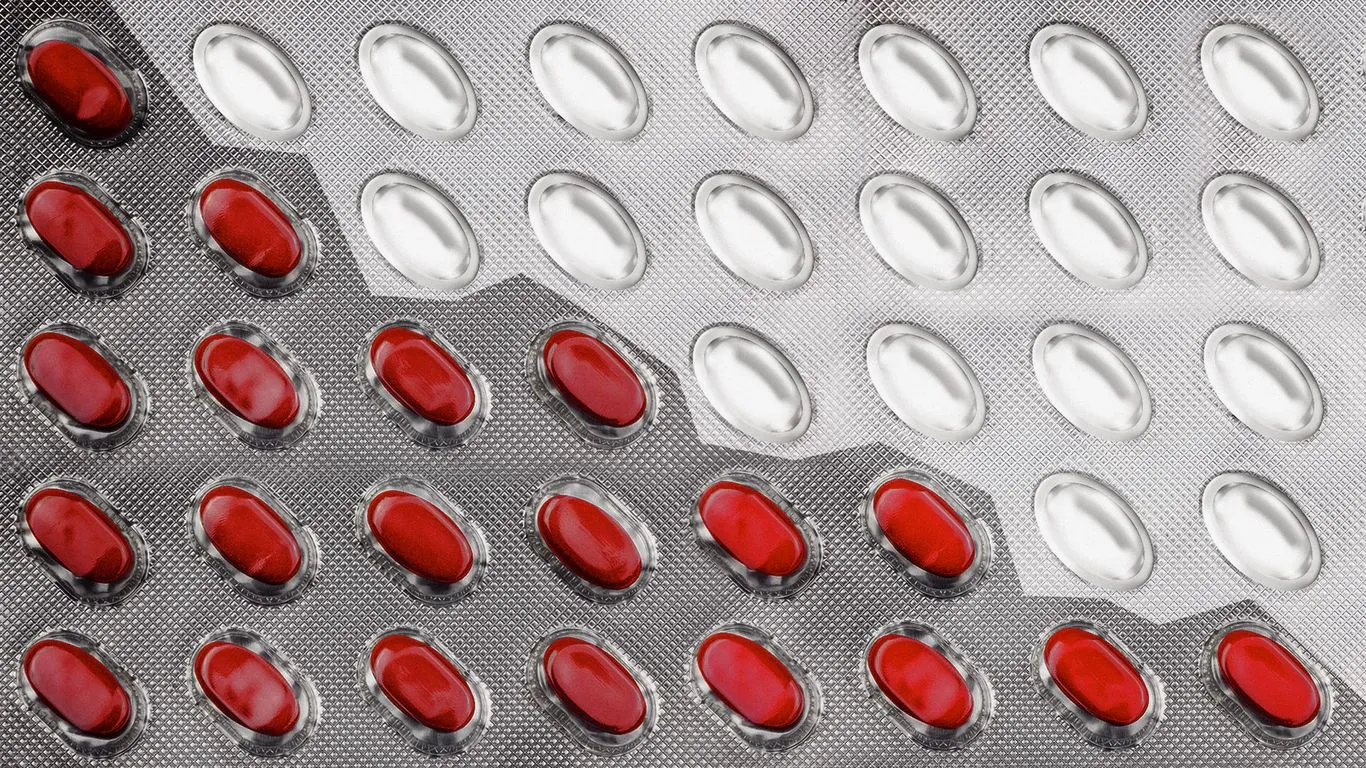
Cheaper alternatives to brand-name biologics are losing momentum. Only 1 in 10 biologics set to lose patent protection in the next decade has a biosimilar in development, and the rate at which available biosimilars were dispensed dropped more than 40% between 2024 and 2025. Disagreements between insurers, PBMs, and drugmakers are leaving billions in potential savings unrealized.
Lower-cost biosimilars were supposed to be a game-changer for drug affordability, but the momentum is fizzling. According to a new report from the Association for Accessible Medicines, the rate at which biosimilars were dispensed when available dropped more than 40% between 2024 and 2025 — and no copycat products are in development for brand-name biologics whose patents expire in the 2030s.
The blame game is in full swing. Insurers and pharmacy benefit managers (PBMs) are accused of favoring pricier brand-name drugs because their rebates are tied to list prices. PBMs counter that drugmakers game the patent system to block competition — a concern underscored by Merck filing hundreds of additional patents on its blockbuster cancer drug Keytruda ahead of its 2028 patent expiration.
By the Numbers:
Why it matters: Without more biosimilars entering the market, patients and the healthcare system stand to miss out on billions in potential savings. Congress is weighing two biosimilar bills that could ease testing requirements and streamline approvals — but legislative action remains uncertain.