Curie Brief
Turn on cookies to sign in
Signing in saves your progress to your Curie account. We can only do that with cookies on — turn them on to continue.
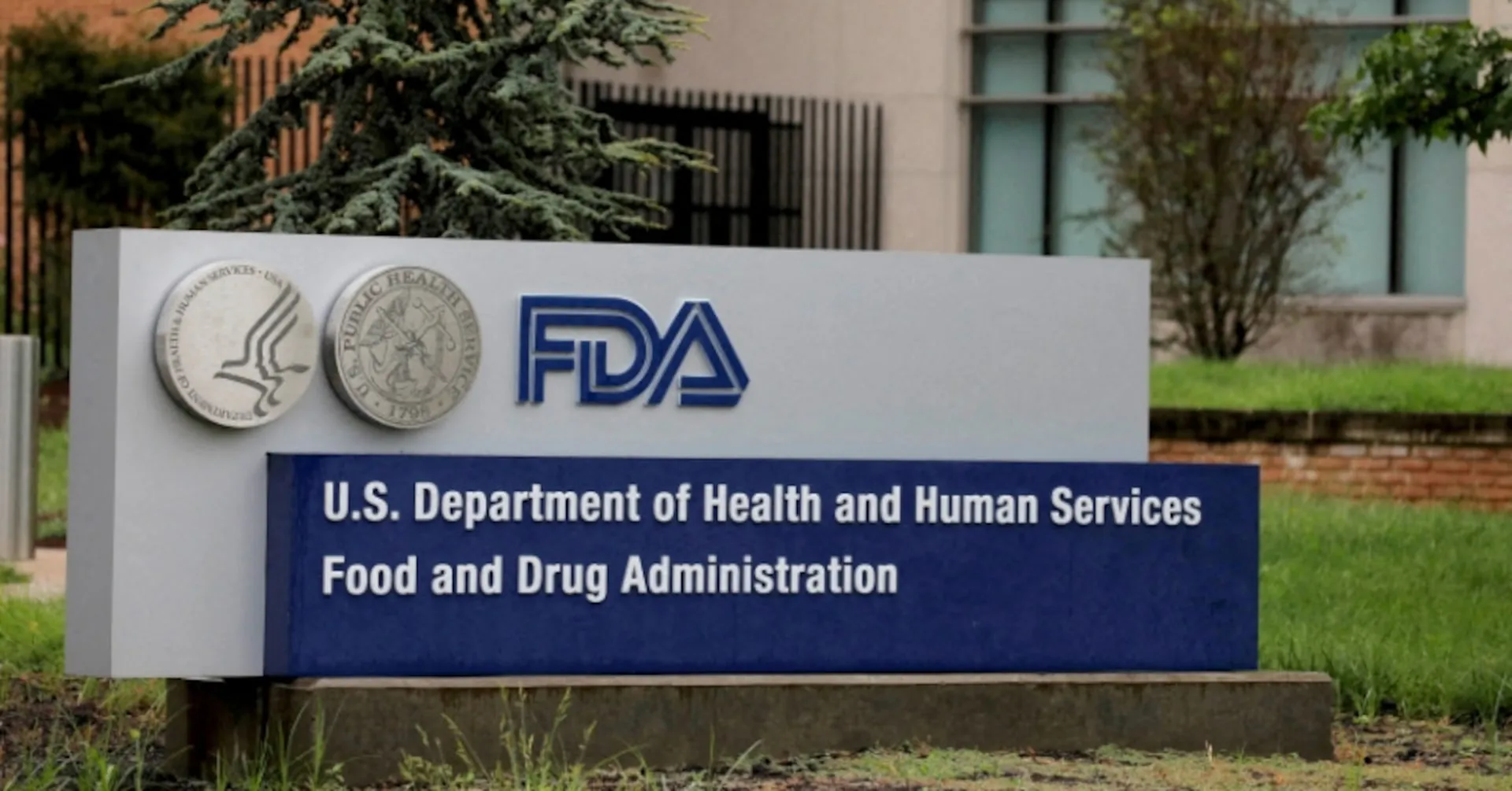
The FDA held a four-hour public hearing where doctors, veterans, and therapists pushed for clear safety and access standards for psychedelic treatments. Key concerns included provider training, patient screening, long-term safety data, and insurance coverage. The agency recently published a framework in the NEJM signaling openness to flexible trial designs for conditions like PTSD and major depression.
The FDA convened a four-hour public hearing on September 14, bringing together doctors, veterans, pharmacists, and therapists to discuss what a responsible rollout of psychedelic therapies should look like. The meeting is part of a broader push launched by the Trump administration in April to accelerate psychedelic drug development, and it comes just days after senior FDA officials published a framework in the New England Journal of Medicine outlining how these therapies could be developed and approved.
Experts at the hearing stressed that approval alone won't be enough — access and equity matter too. Trained staff must be present during sessions (which can run 6–12 hours), and without insurance reimbursement, these therapies risk becoming accessible only to wealthy patients. Speakers also called for disaggregated data collection across menstrual cycles, pregnancy, and hormonal status, warning that population averages could mask critical safety signals.
Key Takeaways:
Why it matters: Psychedelic therapies hold real promise for hard-to-treat conditions like PTSD and major depressive disorder, but the path from clinical trial to patient access is fraught with logistical, regulatory, and equity challenges. The FDA's active engagement signals these treatments are moving closer to reality — but getting the framework right now will determine whether they reach the patients who need them most.