Curie Brief
Turn on cookies to sign in
Signing in saves your progress to your Curie account. We can only do that with cookies on — turn them on to continue.
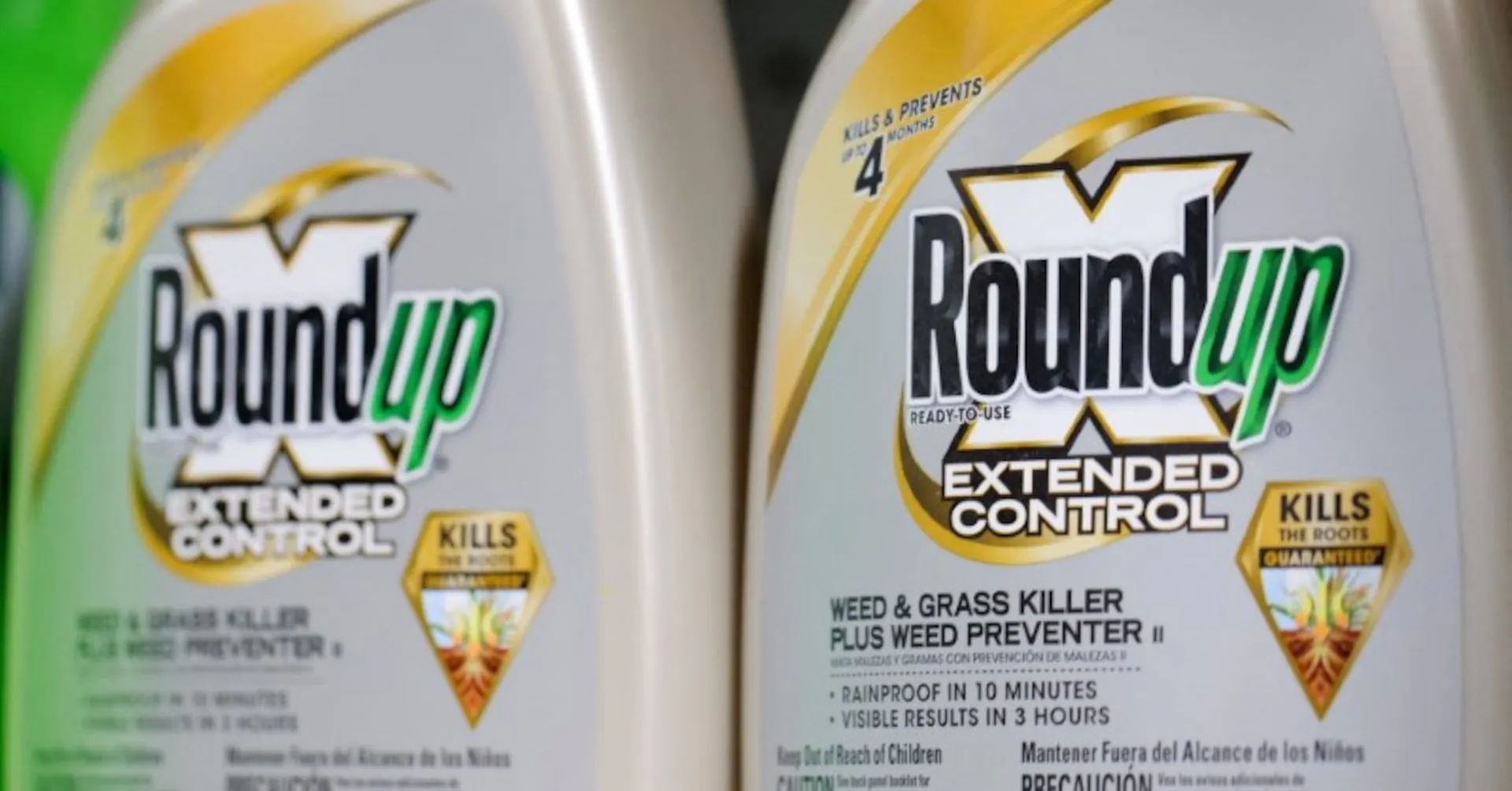
Bayer's Monsanto unit is urging a Missouri judge to approve a $7.25 billion settlement to resolve tens of thousands of U.S. lawsuits claiming its Roundup weedkiller causes non-Hodgkin lymphoma. The deal offers payouts of $10,000–$165,000 per claimant, though some plaintiffs argue it falls short. A recent Supreme Court ruling limiting state-level cancer warning claims has significantly shifted the legal landscape in Bayer's favor.
Bayer's Monsanto unit appeared before a Missouri judge on September 14 to seek final approval of a $7.25 billion class-action settlement aimed at resolving nearly all current and future U.S. lawsuits alleging that its Roundup weedkiller causes cancer. The company argued there is no alternative path forward, with its attorney stating plainly: "This is the settlement. There is not another settlement."
The proposed deal would pay out between $10,000 and $165,000 to individuals who developed non-Hodgkin lymphoma after exposure to Roundup, with award amounts varying based on cancer severity, age at diagnosis, and exposure setting. Supporters — including attorneys representing thousands of plaintiffs — point to a landmark June 2026 Supreme Court ruling (7-2) that blocked state-level "failure-to-warn" claims against Bayer, significantly weakening the legal standing of many individual lawsuits. Opponents argue the payouts are inadequate, particularly given that Roundup remains on the market and some studies suggest 80% of Americans have been exposed to glyphosate.
By the Numbers:
Why it matters: The outcome of this settlement could set a significant precedent for how mass tort litigation involving widely used consumer products is resolved — especially when federal regulatory approval conflicts with state-level public health concerns. For the oncology and public health communities, the case also keeps the spotlight on glyphosate's contested cancer risk, with the EPA's updated human health risk assessment still pending.