Curie Brief
Turn on cookies to sign in
Signing in saves your progress to your Curie account. We can only do that with cookies on — turn them on to continue.
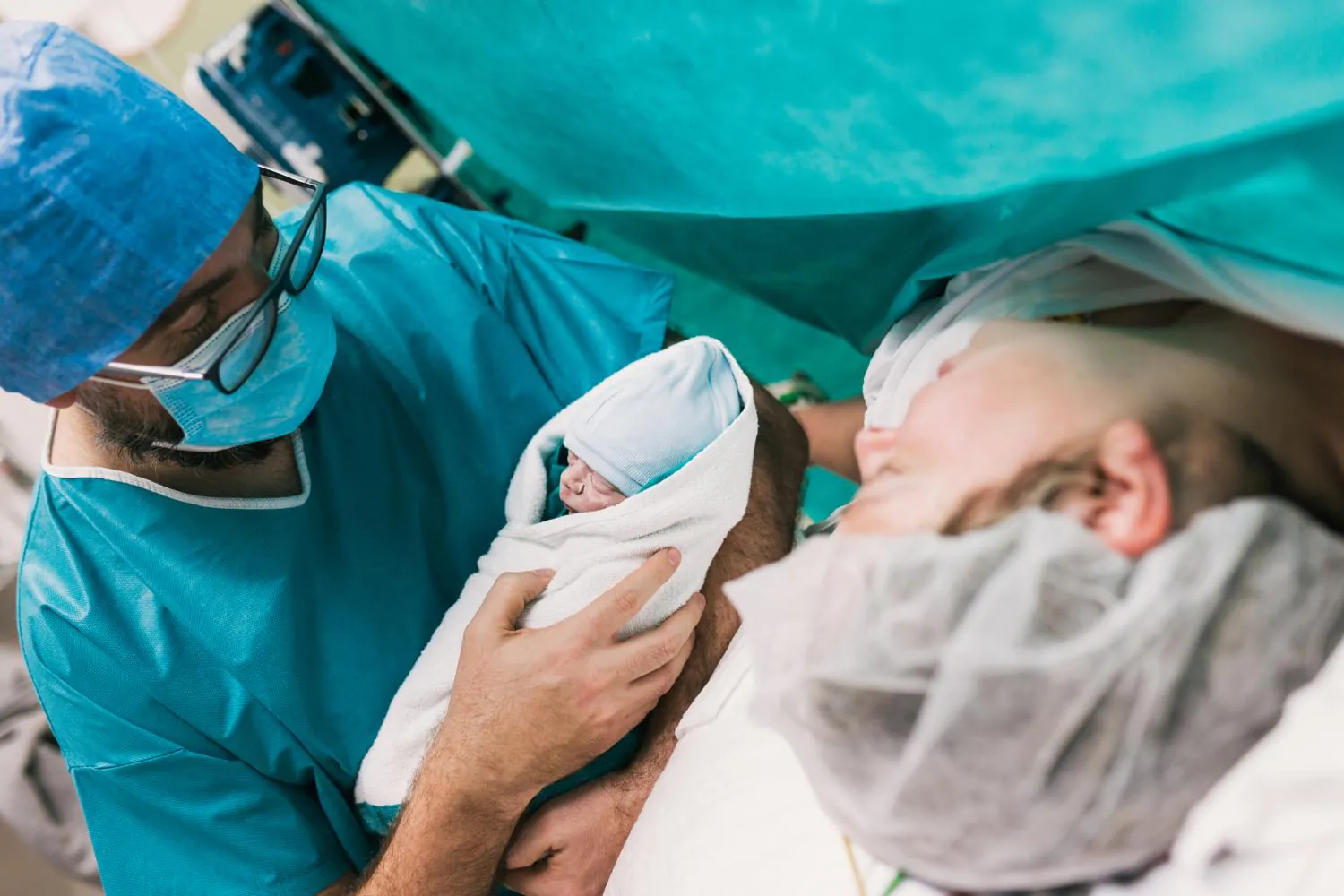
A large real-world analysis backs azithromycin for unscheduled C-sections. Examining over 1.6 million US births, researchers found that prophylactic azithromycin use surged from 2.2% to nearly 40% after a landmark 2016 trial — and postpartum infections dropped by a relative 20%. That translates to roughly 6,000 fewer infections per year, strengthening the case for wider adoption of this practice.
Real-world data confirms azithromycin's infection-fighting power in C-section care
A new JAMA study analyzing over 1.6 million US births offers strong real-world validation for giving azithromycin during unscheduled cesarean deliveries. Researchers from Beth Israel Deaconess Medical Center found that after a pivotal 2016 randomized trial — which showed a 50% reduction in postpartum infections — azithromycin use in unscheduled C-sections jumped from just 2.2% to nearly 40%. Postpartum infections fell by a relative 20%, translating to an estimated 6,000 fewer infections annually.
While the real-world reduction is smaller than the trial's 50% figure, experts say that's largely because fewer than half of eligible patients actually received the antibiotic. An accompanying editorial from the 2016 trial's lead investigators argues the benefits "remain substantial" and that failing to implement this strategy consistently is "a missed opportunity to reduce preventable maternal morbidity and potentially mortality."
By the Numbers
Why it matters: With roughly 720,000 unscheduled C-sections performed in the US each year, even modest infection reductions carry enormous public health weight — fewer hospital readmissions, less antibiotic use, and lower healthcare costs. This study makes a compelling case for making prophylactic azithromycin standard practice.