Curie Brief
Turn on cookies to sign in
Signing in saves your progress to your Curie account. We can only do that with cookies on — turn them on to continue.
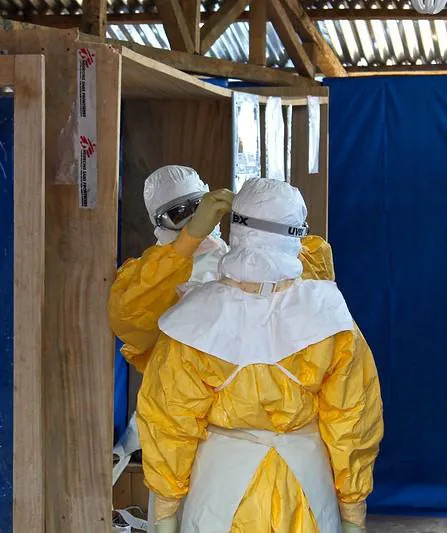
The Ebola outbreak in the Democratic Republic of the Congo has reached 7,200 confirmed cases and spread to a seventh province, making it the second-largest Ebola outbreak in history. Nearly half of those infected — 3,475 people — have died. But DRC officials say transmission may have peaked in late August, with several hotspot zones showing a continuous slowdown.
The Ebola outbreak in the Democratic Republic of the Congo (DRC) continues to grow, now surpassing 7,200 confirmed cases and spreading into a seventh province, South Ubangi. The outbreak, caused by the Bundibugyo strain of the virus, remains the second-largest Ebola outbreak in recorded history — a grim milestone that underscores the scale of the crisis.
There is cautious optimism, however. DRC's Minister of Communication Patrick Muyaya stated that the outbreak's peak was reached during the third week of August, with major hotspots like Nia Nia, Nizi, and Mongbwalu showing a continuous slowdown in new transmissions. Ten out of 61 affected health zones have reported zero cases for at least 21 days.
By the Numbers:
Why it matters: While signs of slowing transmission offer hope, an 88% contact-tracing rate and ongoing geographic spread mean the outbreak is far from contained. Health authorities and global partners will need to sustain — and intensify — response efforts to prevent a resurgence.