


Curie Brief
Turn on cookies to sign in
Signing in saves your progress to your Curie account. We can only do that with cookies on — turn them on to continue.
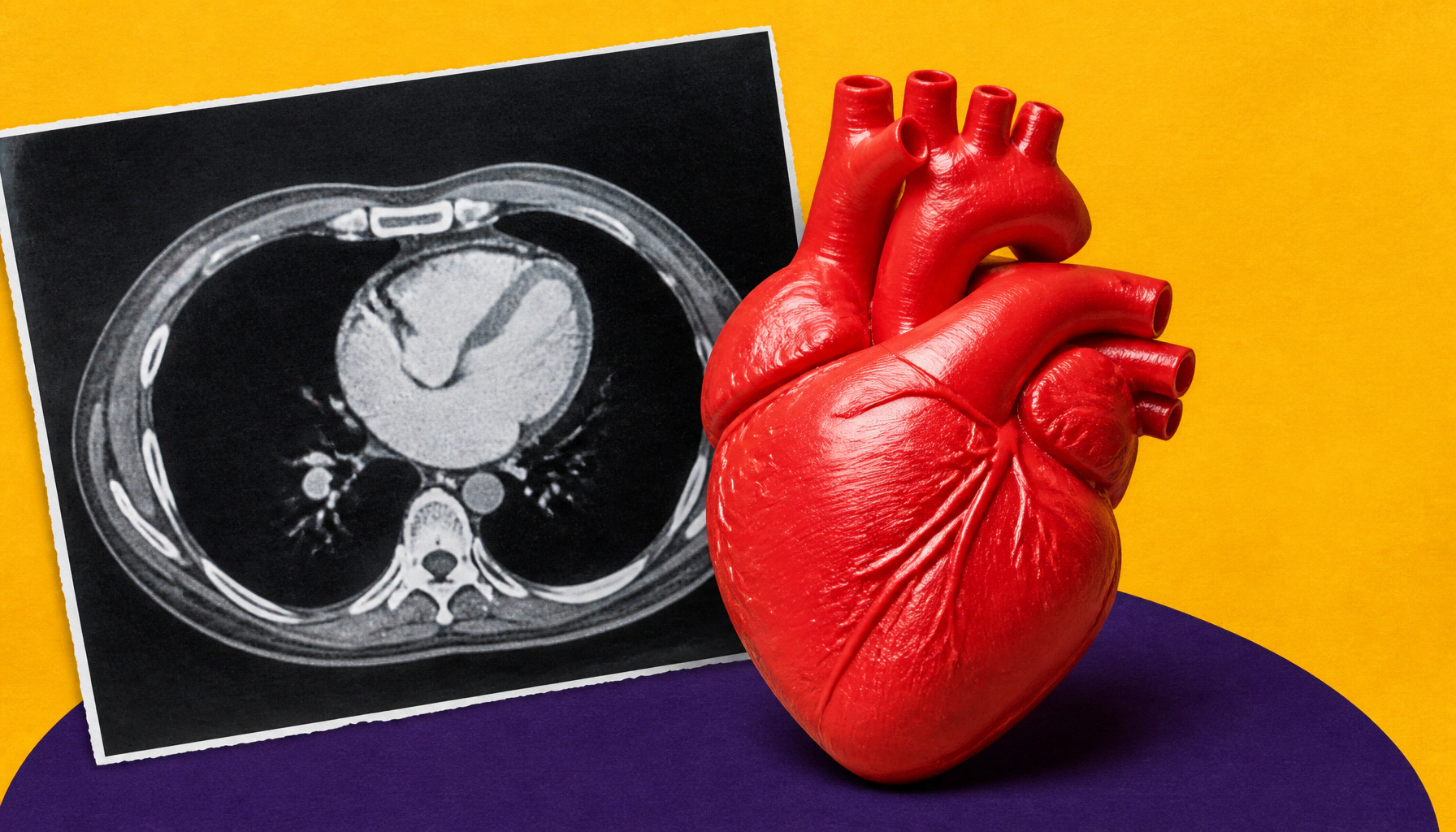
Coronary calcium scans are popular, but a new 10-year study suggests they're not equally useful for all patients. Researchers found the scans add the most value for people in the "borderline or intermediate" heart disease risk zone — not for those already clearly low- or high-risk. The findings, published in JAMA, could help doctors make smarter, more targeted decisions about who actually needs the scan.
Coronary artery calcium (CAC) scans have been gaining popularity as a quick, relatively affordable way to gauge heart disease risk — but a new Northwestern Medicine study says the benefit may be more targeted than previously thought. Researchers tracked over 6,000 adults for 10 years and found that, for the general population, adding a calcium score offered only a modest improvement over the American Heart Association's PREVENT risk calculator, which uses standard data like blood pressure, cholesterol, age, and sex.
The real value showed up in a specific group: patients whose PREVENT scores placed them in the borderline or intermediate risk range (a 3–9% chance of a cardiovascular event within 10 years). For them, the calcium scan provided a clearer picture of whether their actual risk was higher or lower — information that could meaningfully guide treatment decisions like starting a statin.
Key Takeaways:
Why it matters: With heart disease still the leading cause of death in the U.S., precision in risk assessment is critical. This study helps clinicians identify who truly stands to gain from a calcium scan — making care more efficient and reducing unnecessary testing.


