Loading Curie Briefs...
Getting the latest healthcare news for you
Getting the latest healthcare news for you

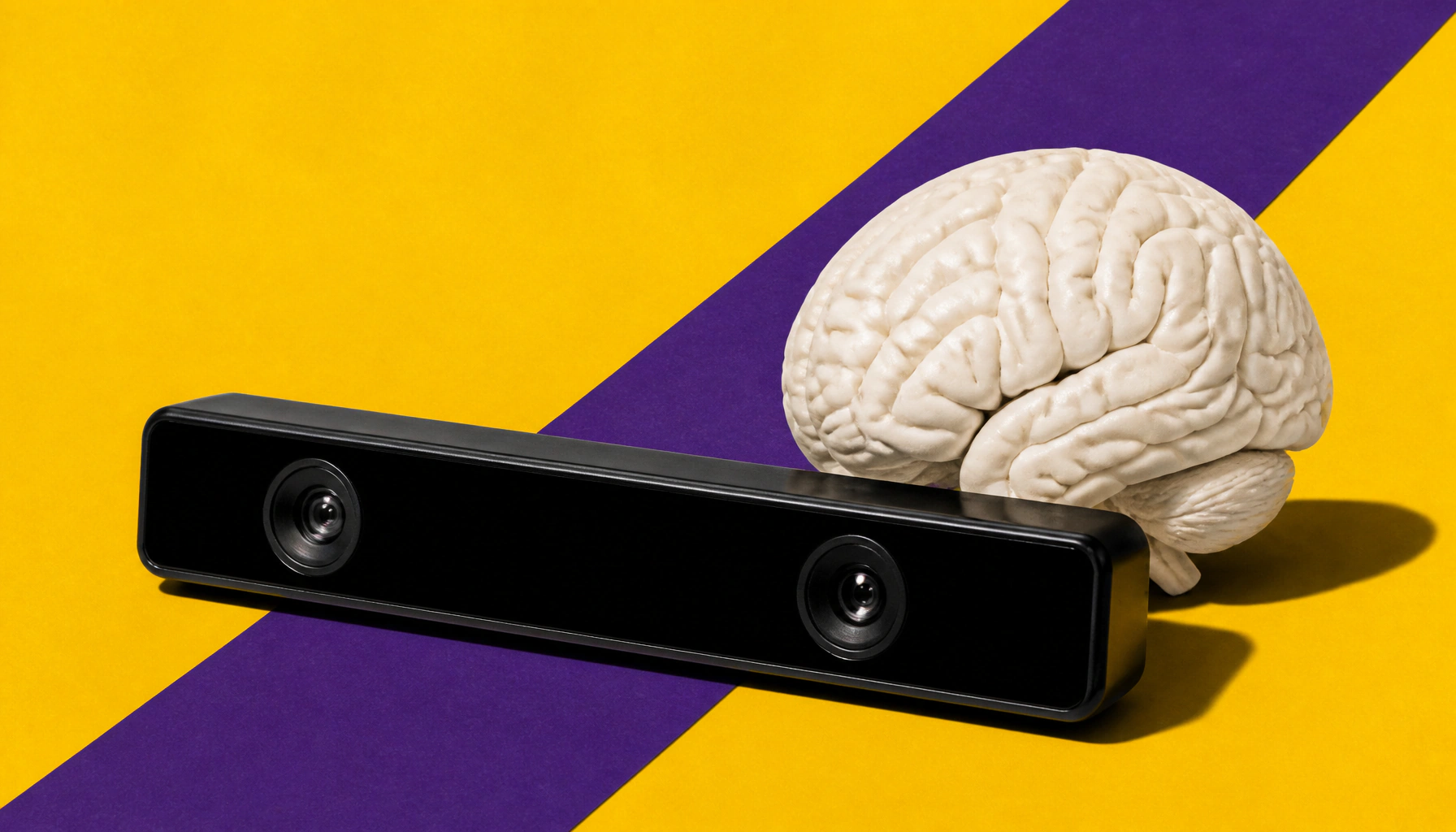
A simple bedside eye-tracking test may tell clinicians more about a TBI patient's functional recovery than the injury's initial severity. A new study found that six oculomotor metrics were strongly correlated with patients' ability to perform daily activities independently — while the Glasgow Coma Scale score was not. Researchers say the tool could become an objective, quantitative addition to standard neurological assessments.
Watching the eyes to gauge the brain's recovery
A bedside eye-tracking system may offer clinicians a more meaningful window into how TBI patients are recovering than traditional injury severity scores. In a study published in Frontiers in Neurology, researchers from Bar-Ilan University tested 30 adults in inpatient TBI rehabilitation and 30 healthy controls using a commercial eye tracker (Tobii Eye Tracker 4C) while participants followed a moving target on a laptop screen — no head restraints required.
The team extracted six oculomotor metrics, including smooth pursuit, saccadic corrections, predictive tracking (when the target briefly disappeared behind an occluder), pupil response, and binocular coordination. All six metrics differed significantly between TBI patients and controls, and all were strongly correlated with Functional Independence Measure (FIM) scores — a measure of patients' ability to handle everyday tasks. Notably, initial Glasgow Coma Scale scores showed no significant correlation with current functional status.
Key Takeaways
Why it matters: Current clinical tools like the Glasgow Coma Scale capture injury severity at onset but may not reflect where a patient stands functionally during rehab. This eye-tracking approach offers a fast, objective, and bedside-friendly way to monitor real-time recovery — potentially helping clinicians tailor rehabilitation strategies more precisely.