Loading Curie Briefs...
Getting the latest healthcare news for you
Getting the latest healthcare news for you

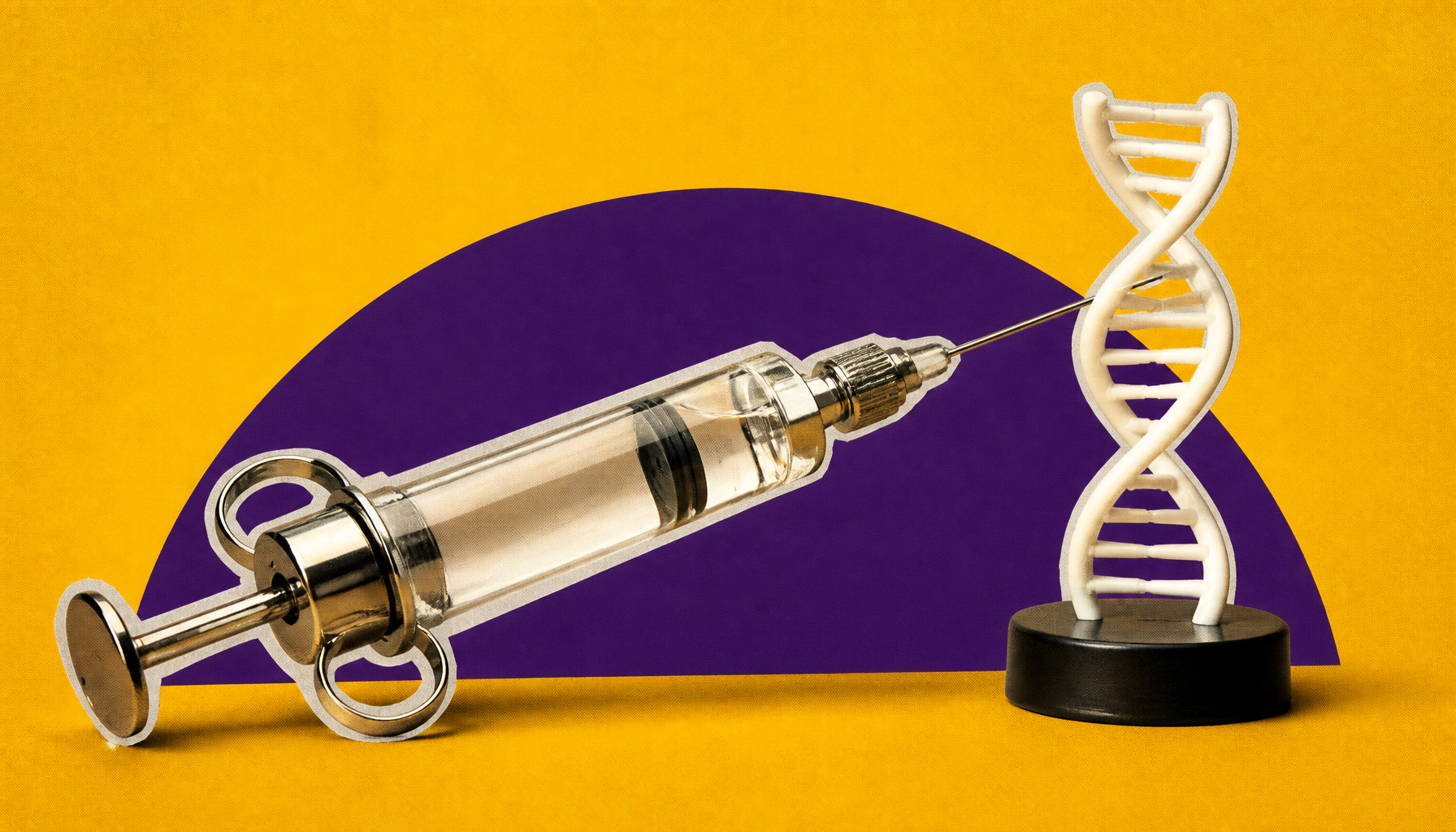
Researchers from the University of Barcelona and University of Oregon have developed a DNA-based therapy that dramatically lowers LDL cholesterol by silencing the PCSK9 gene. Using molecules called polypurine hairpins (PPRHs), a single injection reduced cholesterol by 47% in mice. The approach could offer a statin-free alternative with fewer side effects — if it holds up in human trials.
Scientists have developed a new DNA-based therapy that could reshape how we treat high cholesterol. Researchers from the University of Barcelona and the University of Oregon designed molecules called polypurine hairpins (PPRHs) that target and silence the PCSK9 gene — a key regulator of LDL ("bad") cholesterol levels. By blocking PCSK9, the treatment allows liver cells to reclaim more LDL receptors, pulling more cholesterol out of the bloodstream.
The most effective molecule, HpE12, was tested in both human liver cells and genetically modified mice. In mice, a single injection delivered striking results within just three days. The findings were published in Biochemical Pharmacology.
By the Numbers:
Why it matters: Statins are effective but come with side effects like muscle pain (myopathy), and not all patients tolerate them well. PPRHs could offer a low-cost, stable, and non-immunogenic alternative to existing therapies like monoclonal antibodies and siRNA drugs. Human trials are still needed, but the early data is promising.