Loading Curie Briefs...
Getting the latest healthcare news for you
Getting the latest healthcare news for you

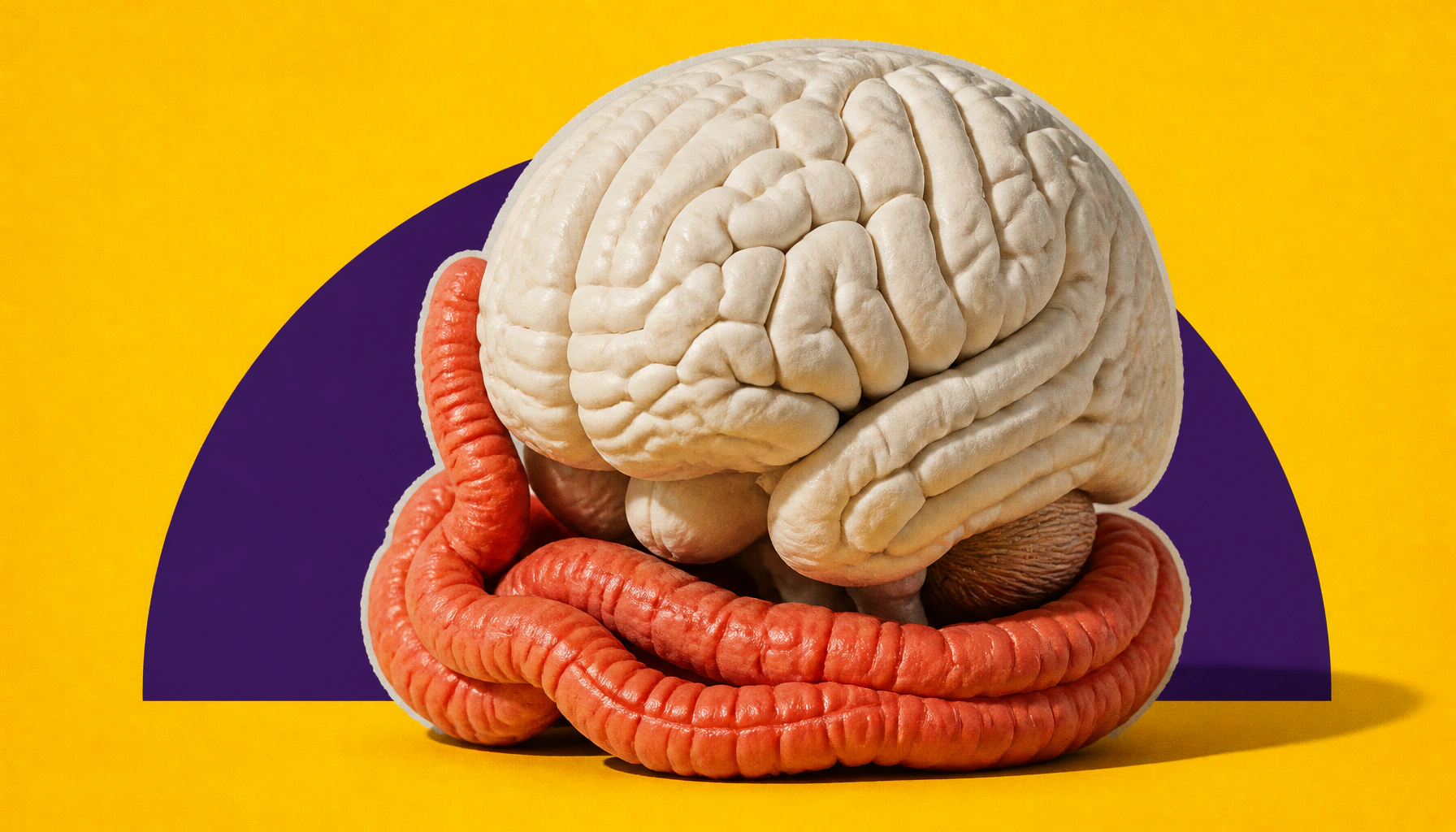
Your gut may be quietly guarding your brain. A new mouse study in Nature Neuroscience found that immune cells activated during intestinal infections travel to the brain's outer protective layer — the dura mater — and set up long-lasting memory outposts there. These gut-trained cells can mount rapid defenses against pathogens that enter the bloodstream, revealing a surprising new dimension of the gut-brain connection.
Your gut may be quietly guarding your brain
A new mouse study published in Nature Neuroscience has uncovered a fascinating immune link between the gut and the brain. When mice were infected with intestinal pathogens like Salmonella and Citrobacter rodentium, the immune cells activated in the gut — specifically CD4+ helper T cells — migrated to the dura mater, the brain's outermost protective membrane. There, they didn't just pass through; they settled in and formed long-lived memory cell populations that persisted for months.
When the same mice were later exposed to the same pathogen through the bloodstream, these dural memory cells mounted rapid recall responses. In one experiment, mice orally primed with one pathogen even showed modest cross-protection against a different pathogen engineered to share the same immune target — suggesting gut-trained cells can recognize and respond to threats beyond their original trigger.
Key Takeaways
Why it matters: This research reframes the gut-brain axis as not just a neurological or microbiome story, but an immunological one. If similar mechanisms operate in humans, gut infections could influence the brain's immune defenses — with potential implications for CNS infection risk, neuroinflammation, and future vaccine strategies.