Loading Curie Briefs...
Getting the latest healthcare news for you
Getting the latest healthcare news for you

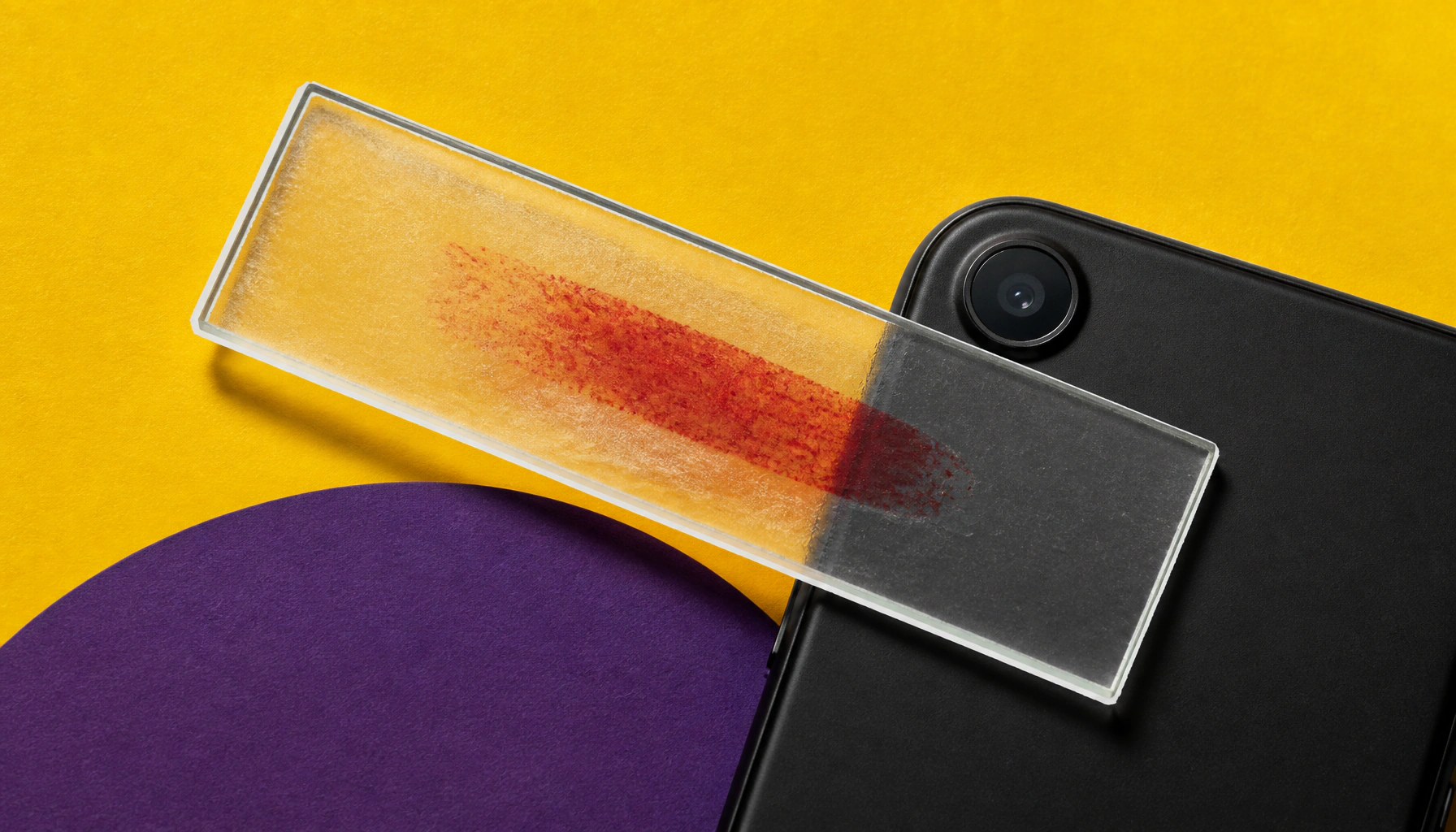
When the gold standard is unaffordable, it's no standard at all. In South Sudan, flow cytometry and bone marrow biopsies—the go-to tools for diagnosing childhood leukemia—are either unavailable or financially out of reach for most families. A physician at Juba's Al Sabah Children's Hospital argues it's time to formally validate AI-assisted blood count analysis as a legitimate first-line diagnostic tool, not just a stopgap.
In South Sudan, a child showing classic signs of leukemia—pallor, fever, bruising—can wait days or weeks for a diagnosis, not because clinicians don't suspect it, but because the confirmatory tools simply don't exist or cost more than most families can afford. Flow cytometry is unavailable at any public hospital in the country, and bone marrow biopsies, while technically available at Juba Teaching Hospital, are prohibitively expensive. For many families, even basic supplies like IV cannulas are out of reach.
Dr. Buga Charles George Kenyi, a medical intern at Al Sabah Children's Hospital, makes a compelling case: AI-assisted complete blood count (CBC) and peripheral smear analysis can reliably detect the diagnostic signature of pediatric acute lymphoblastic leukemia (ALL)—including abnormal lymphocyte counts, anemia, and blast-like cells—with a consistency that manual review often can't match. The real comparison isn't AI vs. biopsy; it's AI vs. no diagnosis at all.
Key Takeaways:
Why it matters: South Sudan isn't an outlier—this diagnostic gap exists across much of sub-Saharan Africa. Childhood ALL is curable when caught early, but every week of delay narrows that window. Validating AI-assisted CBC diagnosis as a credentialed standard could save lives now, without waiting for infrastructure that may be a generation away.