Loading Curie Briefs...
Getting the latest healthcare news for you
Getting the latest healthcare news for you

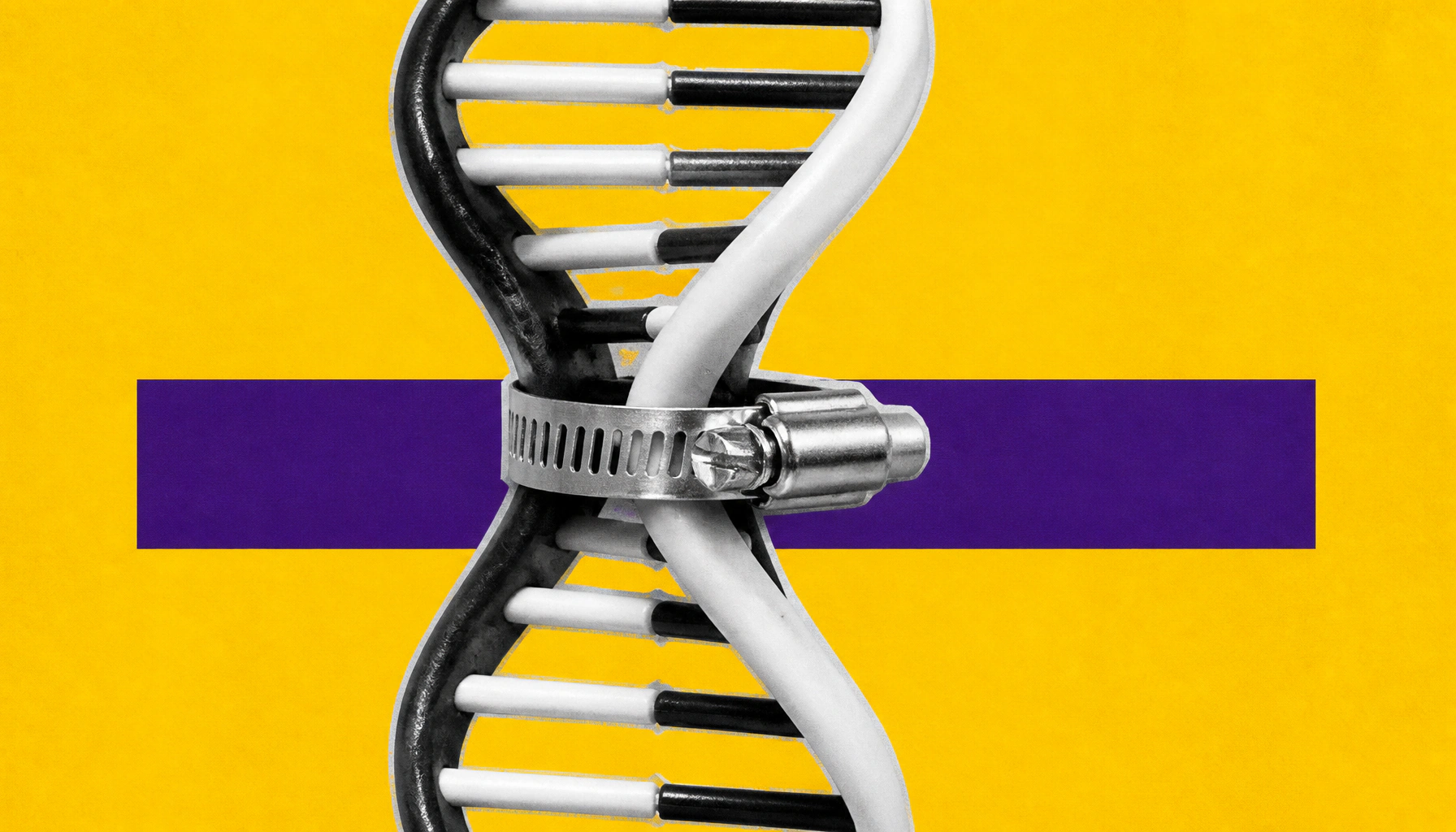
A new study published in Cell found that feeding mice 30% fewer calories significantly reduced the rate of DNA mutations across multiple tissues. This is the first research to examine caloric restriction's impact on mutation patterns across the entire genome. The findings could open new doors for understanding — and potentially preventing — cancer and other age-related diseases.
A groundbreaking study from NYU Langone Health and University Hospitals Cleveland, published in Cell, reveals that caloric restriction doesn't just extend lifespan in mice — it also slows the accumulation of DNA mutations across the genome. Mice fed 30% fewer calories showed reduced levels of substitution, insertion, and deletion mutations across several tissues, marking the first time this effect has been measured genome-wide rather than in isolated genes.
The impact wasn't uniform: liver cells showed a greater reduction in mutations than kidney or brain cells. Interestingly, the biggest benefits appeared in the least active regions of the genome — areas with no active genes — possibly because active regions already have robust DNA repair mechanisms in place.
Key Takeaways:
Why it matters: Mutations are a root cause of cancer and many age-related diseases. Finding a dietary mechanism that slows their accumulation — even in animals — gives researchers a new target for developing therapies that could mimic these effects without requiring extreme dietary changes.