Loading Curie Briefs...
Getting the latest healthcare news for you
Getting the latest healthcare news for you

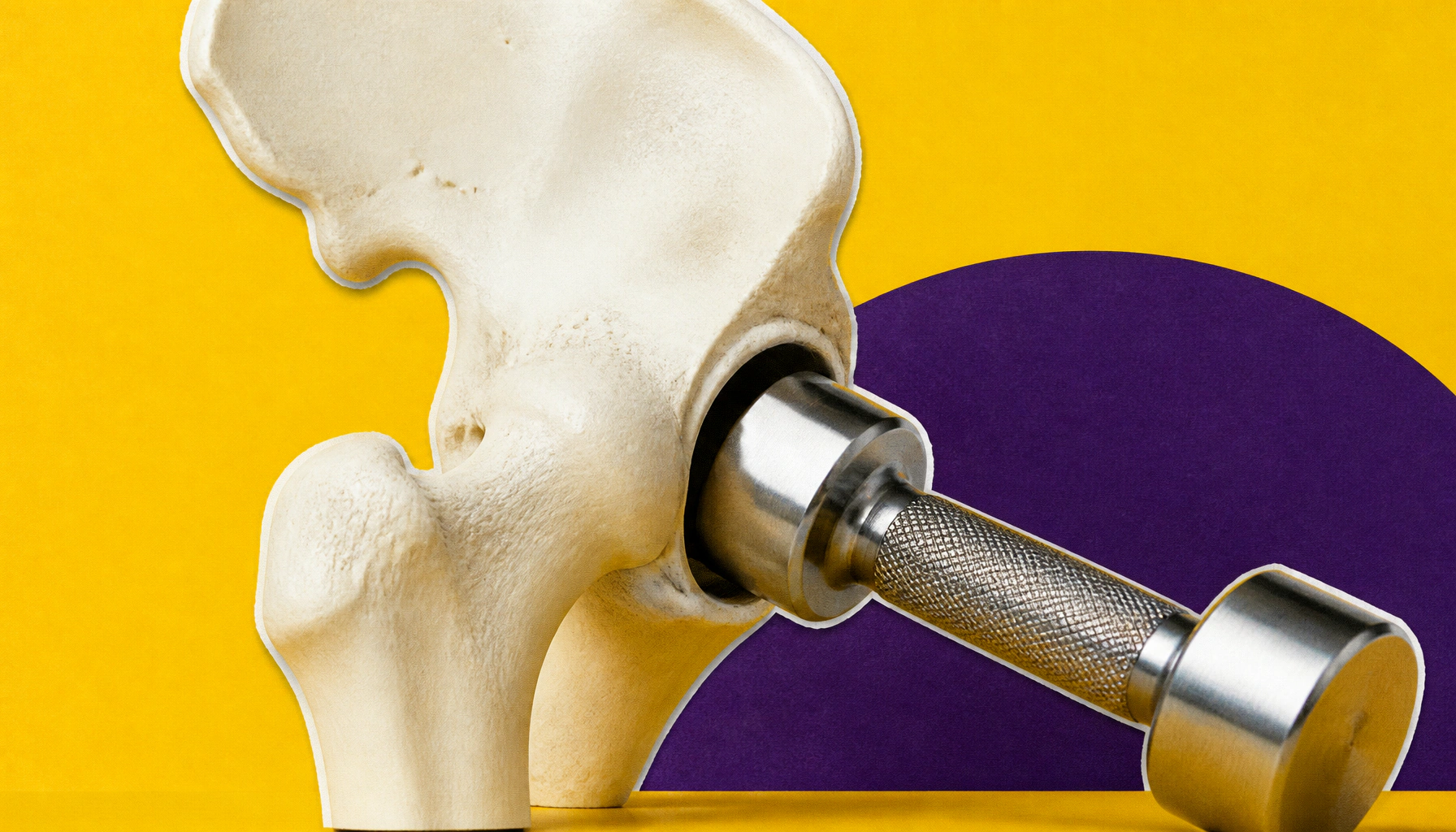
The orthopedic side of menopause is more significant than most realize. Bone density starts dropping rapidly 2 years before menopause, not after — and women face heightened risks of joint pain, tendon injuries, and fractures throughout the transition. Hormone therapy, strength training, and targeted nutrition can make a real difference during this critical window.
When people think of menopause symptoms, hot flashes and mood changes come to mind — but orthopedic consequences may be just as significant, and they start earlier than expected. According to Dr. Jocelyn Wittstein of Duke University Medical Center, bone density begins declining at a rate of about 2% per year starting 2 years before menopause, not after it as commonly believed. Women in perimenopause and menopause are also more vulnerable to joint pain, tendon injuries, and adhesive capsulitis — a condition tied to hormonal and endocrine changes.
The good news? This trajectory is largely preventable. Hormone therapy — FDA-approved for osteoporosis prevention — can cut hip fractures by nearly one-third and vertebral fractures by 40%. Strength training, impact exercises, and balance work also play a protective role, as does a targeted nutritional regimen.
By the Numbers:
Why it matters: There's a critical "decade of opportunity" in a woman's 50s to intervene — long before the hip fractures that typically strike in her 70s and 80s. Greater collaboration between orthopedic and women's health specialists could help close this gap.