Loading Curie Briefs...
Getting the latest healthcare news for you
Getting the latest healthcare news for you

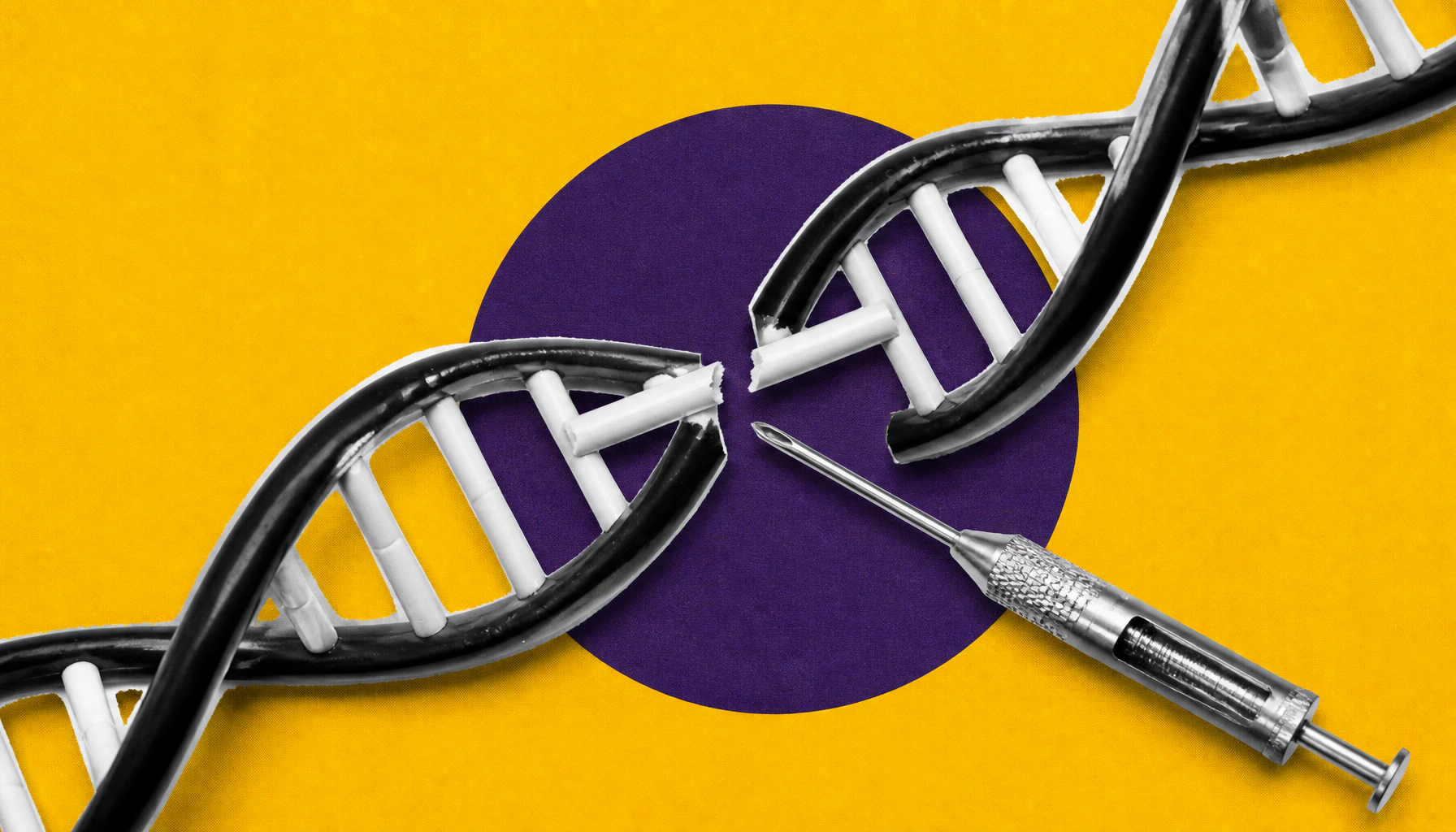
Base editing can precisely rewrite single DNA letters in human embryos — and sometimes works perfectly — but unpredictable side effects mean it's not yet safe for clinical use. Columbia University researchers found that while edits were 100% successful in some cases, the technique also caused chromosomal deletions and genetic mosaicism. A companion Cambridge study confirmed base editing's power, using it to reveal the critical role of the NANOG gene in early human development.
Scientists at Columbia University have taken a major step forward in understanding human embryo development — and hit an important wall. Their new study, published in Nature, tested base editing (a next-gen, more precise cousin of CRISPR) on single-cell human embryos, targeting genes linked to high cholesterol (PCSK9) and blood disorders like sickle cell anemia (HBG1/HBG2). When editing was done before the first cell division, it was 100% successful in some experiments, with changes passing to all daughter cells.
But the technique also triggered unpredictable chromosomal deletions and genetic mosaicism — where different cells in the same embryo carry different genetic makeups — making clinical use unsafe for now. High levels of base editor mRNA also caused some embryos to stop developing entirely. A companion Cambridge University study, also published in Nature, used base editing to block the NANOG gene in human embryos, revealing it plays a distinct and critical role in human development compared to mice.
Key Takeaways
Why it matters: These studies draw a clear line between what's scientifically possible and what's clinically safe. While base editing holds real promise for preventing inherited diseases and improving IVF success rates, the risks uncovered here are a crucial guardrail against premature clinical use — and a roadmap for what researchers need to solve next.