Loading Curie Briefs...
Getting the latest healthcare news for you
Getting the latest healthcare news for you

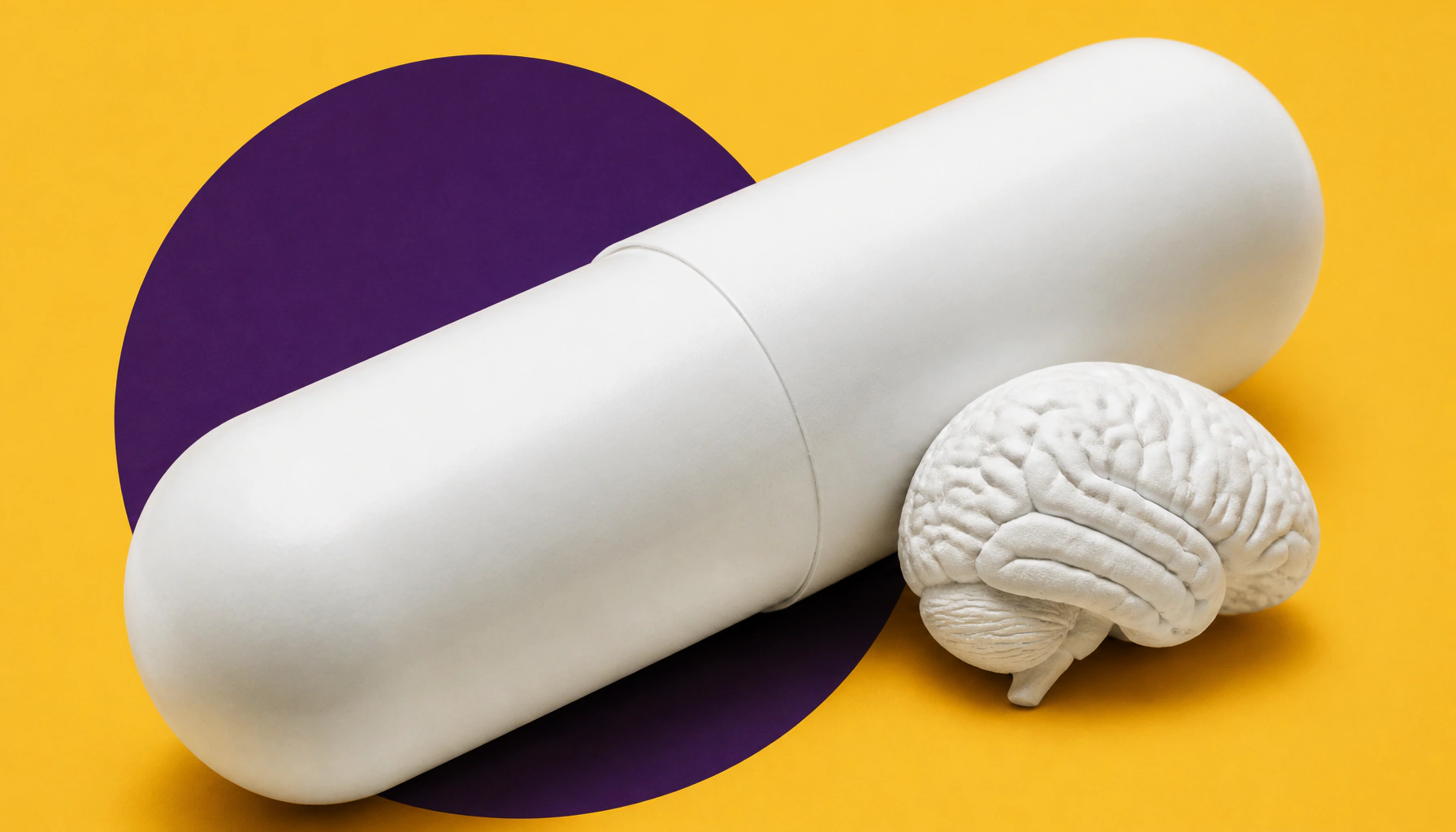
Could a psychedelic compound help heal repeated head injuries? A new rat study suggests psilocybin may reduce brain swelling, lower abnormal tau protein levels, and boost brain connectivity after repetitive mild traumatic brain injury (rmTBI) — a condition with zero approved treatments. The findings are early but point to psilocybin as a potential multi-target therapy for one of sports medicine and military health's biggest unmet needs.
Could psilocybin treat repeated head injuries? A new preclinical study published in Communications Biology is making a compelling case. Researchers used a rat model of repetitive mild traumatic brain injury (rmTBI) — the kind of repeated concussions seen in contact sports and military combat — and found that three daily doses of psilocybin (3.0 mg/kg) significantly reduced brain swelling, lowered phosphorylated tau protein (a key marker linked to Alzheimer's and CTE), and dramatically increased brain-wide functional connectivity.
The findings are notable because rmTBI currently has no approved pharmacological treatments, making any promising lead significant. Psilocybin appeared to act on multiple biological targets at once — reducing vasogenic edema, boosting neurotrophic proteins (BDNF and TrkB), and altering lipid signaling — suggesting it could be a broad-spectrum neuroprotective agent. That said, behavioral improvements in the rats were limited, and the path from rodent models to human therapy remains a major hurdle.
By the Numbers:
Why it matters: With millions of athletes, veterans, and everyday people sustaining repeated head injuries each year and no approved treatments available, psilocybin's multi-target biological effects offer a genuinely novel therapeutic direction — though human trials are still needed to confirm safety and efficacy.