Loading Curie Briefs...
Getting the latest healthcare news for you
Getting the latest healthcare news for you

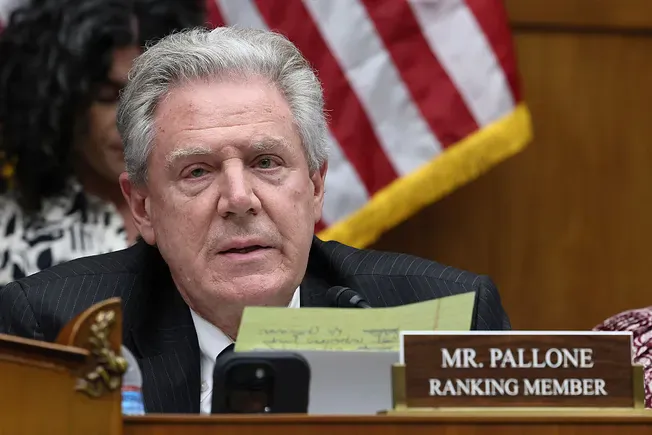
A top House Democrat is putting No Surprises Act arbiters under the microscope. Rep. Frank Pallone sent oversight letters to six independent dispute resolution (IDR) entities, demanding answers on how they decide claims, who gets paid, and whether ineligible disputes are slipping through. The probe comes as IDR-related costs have ballooned to $22.4 billion, with 2.5 million disputes filed in 2025 alone.
Rep. Frank Pallone (D-NJ), ranking member of the House Energy and Commerce Committee, has launched a formal investigation into six No Surprises Act (NSA) arbiters — C2C Innovative Solutions, Commence, Dane Street, EdiPhy Advisors, National Medical Reviews, and ProPeer Resources — demanding documents on how they determine claim eligibility, select winning offers, and compensate their staff. The entities have until Sept. 24 to respond.
The NSA was passed in 2020 to protect patients from unexpected out-of-network bills, and it has largely delivered — preventing nearly 20 million surprise bills in 2024. But its independent dispute resolution (IDR) process has grown far beyond its original scope, fueled in part by a built-in financial incentive: arbiters are paid per dispute and receive nothing if a claim is deemed ineligible, nudging them to accept more cases and rule in providers' favor. A small group of private equity-backed providers has been filing the bulk of disputes, racking up outsized awards — including one case where a plastic surgeon received $440,000 for a procedure typically costing $20,000.
Why it matters: The IDR system was designed as a rare safety valve, not a revenue engine. As costs spiral and congressional scrutiny intensifies, reforms to arbiter incentives and eligibility standards could reshape how out-of-network billing disputes — and ultimately consumer premiums — are handled across the U.S. healthcare system.