Loading Curie Briefs...
Getting the latest healthcare news for you
Getting the latest healthcare news for you

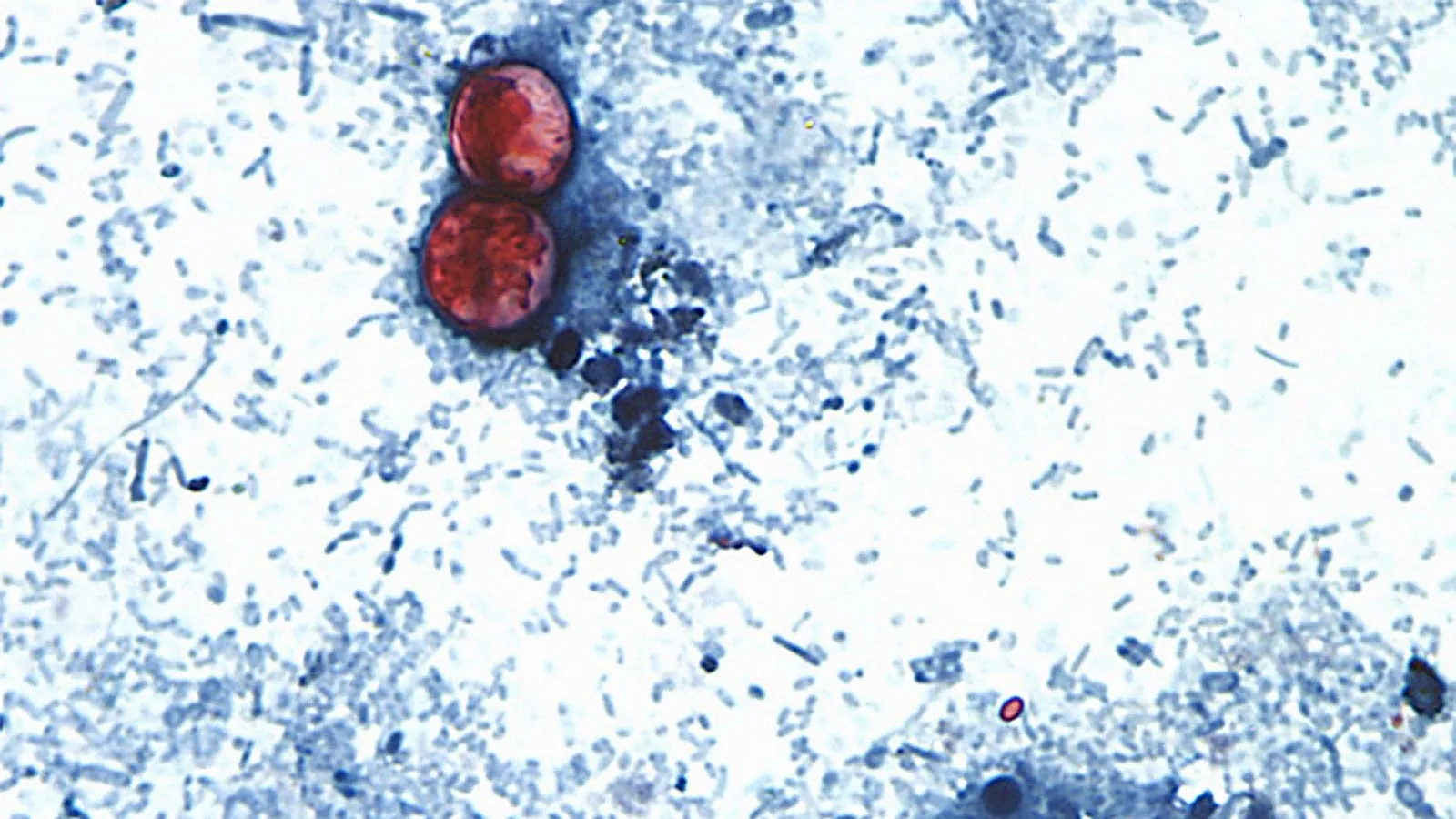
A nationwide Cyclospora outbreak tied to contaminated lettuce has put a spotlight on a troubling trend: FDA foreign food inspections have dropped nearly 35% since 2019, and the agency has never met its congressionally mandated inspection targets. With staffing cuts, inspector burnout, and delayed on-site responses, experts warn the U.S. food safety system is dangerously stretched — and the next outbreak could be far worse.
A massive Cyclospora outbreak linked to Taylor Farms' iceberg lettuce — sickening over 10,900 people across 17 states, hospitalizing 454, and killing two — has thrown America's food safety infrastructure into sharp relief. FDA inspectors didn't arrive at the Mexican farm suspected as the source until a full month after the recall was announced, and it was their first visit there since 2019. Meanwhile, cuts to FoodNet surveillance removed mandatory reporting for six pathogens including Cyclospora, leaving public health officials piecing together outbreak data from fragmented state-level sources.
The deeper problem, experts say, has been building for years. FDA foreign food inspections fell 35% from their 2019 peak and dropped another 17% in fiscal year 2025 alone — to just 1,140 inspections. The agency has never come close to its legally mandated target of 19,000 international food site inspections per year, hitting an all-time high of only 1,700 in 2019. Inspector attrition, grueling travel schedules, and chronic underfunding have left the workforce perpetually short-staffed.
By the Numbers:
Why it matters: When inspections fall short and surveillance systems are weakened, outbreaks go undetected longer and responses arrive too late. Experts warn that if a deadlier pathogen — like Listeria, which kills up to 30% of those infected — slips through the same cracks, the consequences could be far more severe.