Loading Curie Briefs...
Getting the latest healthcare news for you
Getting the latest healthcare news for you


Scientists at Leipzig University have identified a receptor called GPR133 that, when activated by an experimental compound (AP503), significantly boosts bone strength in mice — including those with osteoporosis. The same compound has also been shown to strengthen muscles, raising hopes for a dual-action therapy to combat age-related decline in older adults.
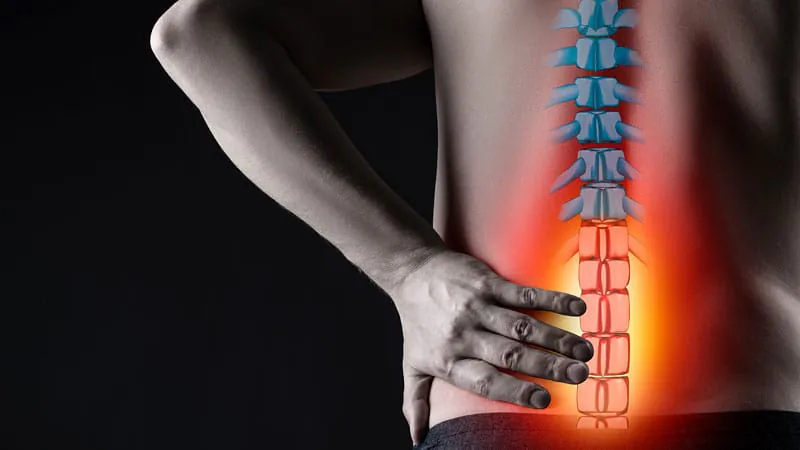
Researchers at Leipzig University have discovered that activating a little-known cell receptor called GPR133 could offer a new path to treating osteoporosis — a condition that weakens bones and raises fracture risk, affecting roughly 6 million people in Germany alone, most of them women. Using an experimental compound called AP503, scientists were able to significantly increase bone strength in both healthy mice and those with osteoporosis-like bone loss.
GPR133 works by tipping the balance between bone-building cells (osteoblasts) and bone-resorbing cells (osteoclasts) in favor of formation. AP503 appears to mimic the natural signals that activate this receptor, making it a promising candidate for future therapies — particularly for postmenopausal women, who face accelerated bone loss due to declining hormone levels.
What makes this finding especially exciting: AP503 was previously shown to strengthen skeletal muscle too, suggesting it could tackle the dual challenge of bone and muscle loss that many older adults face simultaneously.
Key Takeaways:
Why it matters: Current osteoporosis treatments come with limitations and long-term side effects. A therapy that simultaneously strengthens bone and muscle could be a game-changer for aging populations worldwide.