Loading Curie Briefs...
Getting the latest healthcare news for you
Getting the latest healthcare news for you

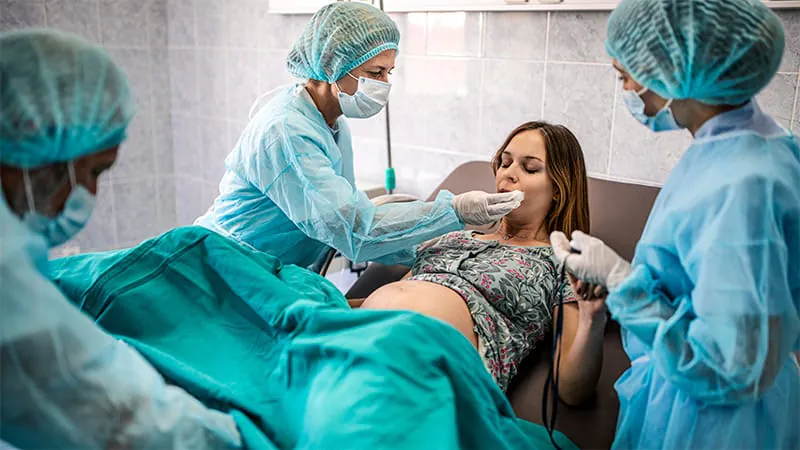
Midwives do far more than deliver babies, but cultural and structural barriers across Europe are keeping them from practicing to their full potential. A new study found that International Confederation of Midwives (ICM) competencies — spanning reproductive health, prenatal care, postpartum support, and more — are inconsistently implemented across the UK, Germany, Belgium, Bulgaria, and Italy. Staff shortages, medicalization of childbirth, and limited professional recognition are among the key culprits.
Midwives are trained to support women across the entire reproductive journey — from contraception counseling and pregnancy monitoring to postpartum care and pelvic floor health — but a new European study reveals a significant gap between what midwives are qualified to do and what they're actually allowed or able to do in practice. Researchers interviewed 10 midwives from five countries (UK, Germany, Belgium, Bulgaria, and Italy) and found that cultural, structural, and professional barriers are preventing full implementation of the International Confederation of Midwives (ICM) competency framework, which was updated in 2024 to include five domains and greater emphasis on sexual and reproductive rights and gender-based violence.
In Italy specifically, midwives are legally autonomous professionals, but real-world autonomy varies widely by setting. Staff shortages, rising clinical complexity, and heavy administrative burdens are squeezing out time for personalized care — and pushing some midwives to emigrate or leave the public system entirely.
Key Takeaways:
Why it matters: Underutilizing midwives isn't just a workforce issue — it's a public health one. Fully integrating midwifery competencies into care systems could improve maternal and neonatal outcomes, reduce physician burden, and make healthcare more responsive to women's needs across their entire reproductive lives.