Loading Curie Briefs...
Getting the latest healthcare news for you
Getting the latest healthcare news for you

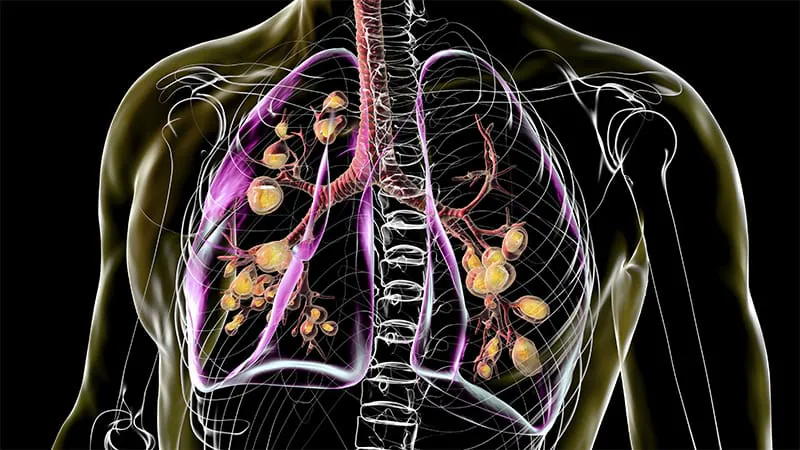
Children with rare lung conditions like cystic fibrosis face not just physical illness but also diagnostic delays and limited access to specialized care. Researchers are now using cutting-edge tools — including 3D organoid models and CRISPR gene editing — to better understand and treat these diseases. Meanwhile, cross-border patient registries are pooling data from over 1,400 patients across 30 countries to build the evidence base that no single center could achieve alone.
Children battling rare lung diseases like cystic fibrosis (CF) and childhood interstitial lung disease (chILD) face a double burden: the illness itself and a world that rarely understands it. Presented at the ERS 2026 International Congress in Barcelona, new research is tackling both fronts — revealing how organs "talk" to each other in disease, and how global collaboration is filling critical evidence gaps.
On the science side, researchers are uncovering how lung inflammation in CF doesn't stay local — it spills inflammatory signals (like IL-1, IL-6, and TNF) into the bloodstream, triggering damage in distant organs like the liver and pancreas. Meanwhile, labs are using 3D organoid models and CRISPR tools to recreate rare lung diseases in the lab, enabling high-throughput drug screening for conditions like surfactant dysfunction disorders and Birt-Hogg-Dubé syndrome.
By the Numbers:
Why it matters: As kids with rare lung diseases now live near-normal lifespans, the focus is shifting to preventing long-term complications — including therapy-related risks like kidney dysfunction and elevated colon cancer rates. Early, even prenatal, intervention may be the next frontier.