Loading Curie Briefs...
Getting the latest healthcare news for you
Getting the latest healthcare news for you


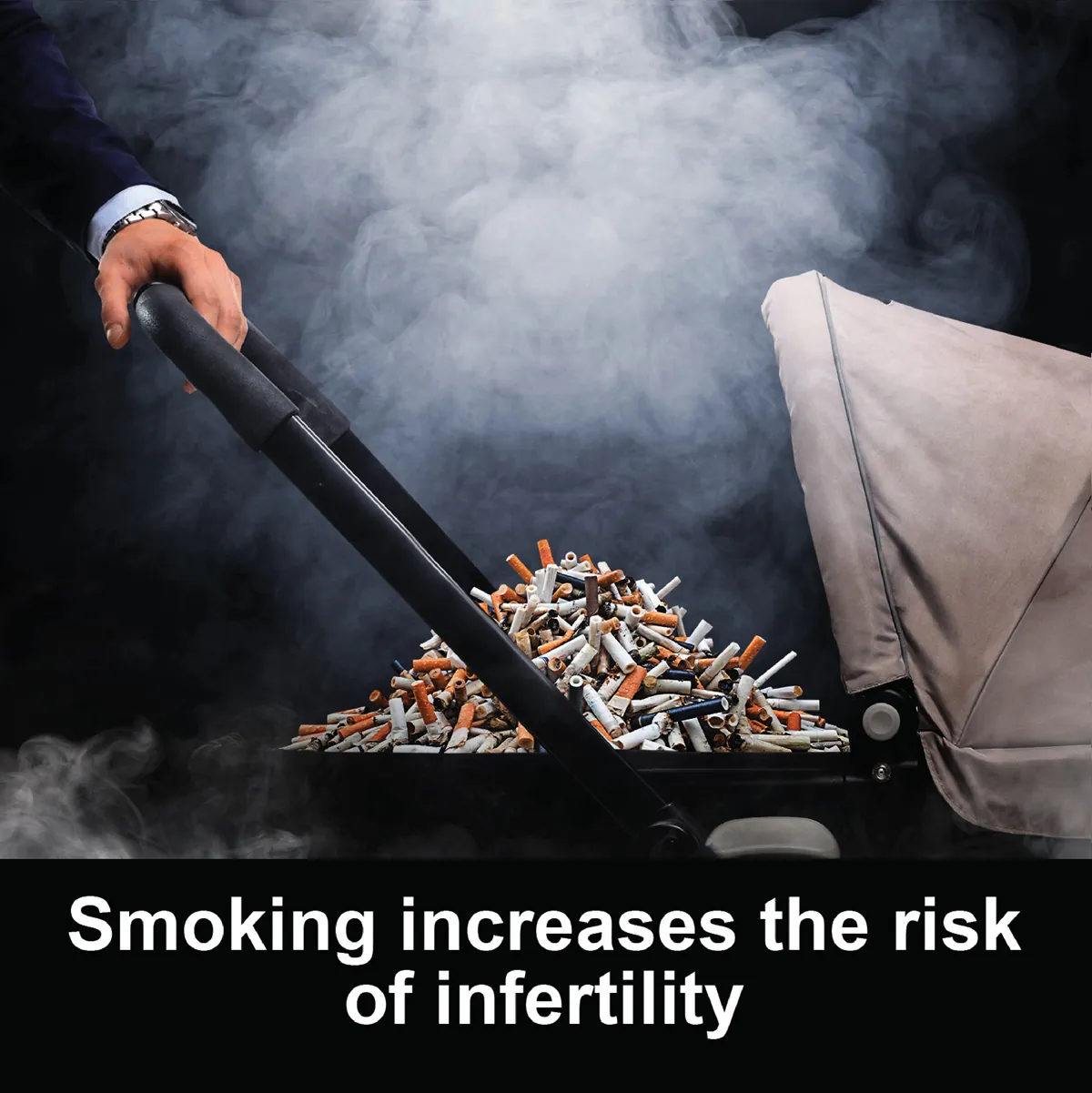
Falling birth rates aren't just a social trend — they're a growing medical concern. A new study finds infertility in women aged 35–49 has risen ~15% since 1990, with environmental pollutants, climate change, and lifestyle factors all playing a role. From microplastics in follicular fluid to air pollution impairing egg quality, the threats to female fertility are mounting — and gynecologists are being called to act.
Declining birth rates are no longer just a demographic talking point — they're a growing public health concern. A new Lancet study reports that infertility among women aged 35–49 has increased by approximately 15% since 1990. Researchers and clinicians point to a complex web of causes: delayed childbearing, financial pressures, career-family conflicts, and fears about the state of the world.
The environmental angle is especially alarming. Studies show that climate change, air pollution, microplastics, heavy metals, and endocrine-disrupting chemicals are all interfering with female reproductive health — from menstrual cycle disruption to impaired egg and embryo quality. Microplastics and nanoplastics have even been detected in follicular fluid, raising concerns about direct damage to egg development.
Key Takeaways:
Why it matters: Infertility at this scale has cascading effects — on women's economic participation, healthcare systems, and long-term population sustainability. Clinicians are on the front lines of both counseling and advocacy.