Loading Curie Briefs...
Getting the latest healthcare news for you
Getting the latest healthcare news for you

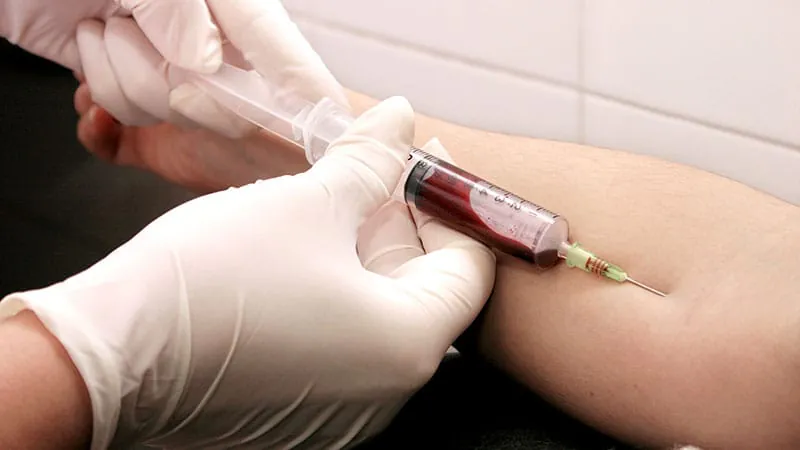
The FDA has authorized Aletta, the first standalone robotic device capable of independently drawing blood from adult patients without hands-on operator intervention. Developed by Dutch company Vitestro, the system uses near-infrared light and Doppler ultrasound to locate veins and autonomously completes the full blood draw — all under phlebotomist supervision. One phlebotomist can oversee up to three devices at once, a potential game-changer amid a growing phlebotomist shortage.
The FDA has granted de novo authorization to Aletta, a robotic blood draw device developed by Dutch company Vitestro — marking the first time a standalone system has been cleared to perform venipuncture on adult patients without direct manual intervention. The device uses near-infrared light and Doppler ultrasound to identify a suitable vein, then autonomously applies a tourniquet, preps the skin, inserts and disposes of the needle, swaps collection tubes, and applies a bandage. A trained phlebotomist initiates each session and can supervise up to three devices simultaneously, directly addressing the growing U.S. shortage of phlebotomy professionals.
Clinical data from a multicenter trial across outpatient phlebotomy departments in the Netherlands showed strong performance, with Aletta achieving a 94.5% first-attempt success rate when it identified a suitable vein. Patient acceptance was also high — 82% said they preferred the robot over a human draw or had no preference.
By the Numbers:
Why it matters: Beyond Aletta itself, the FDA's de novo clearance establishes a new regulatory category and sets the template for future robotic phlebotomy devices — signaling a broader shift toward physical automation in direct patient-care tasks.