Loading Curie Briefs...
Getting the latest healthcare news for you
Getting the latest healthcare news for you

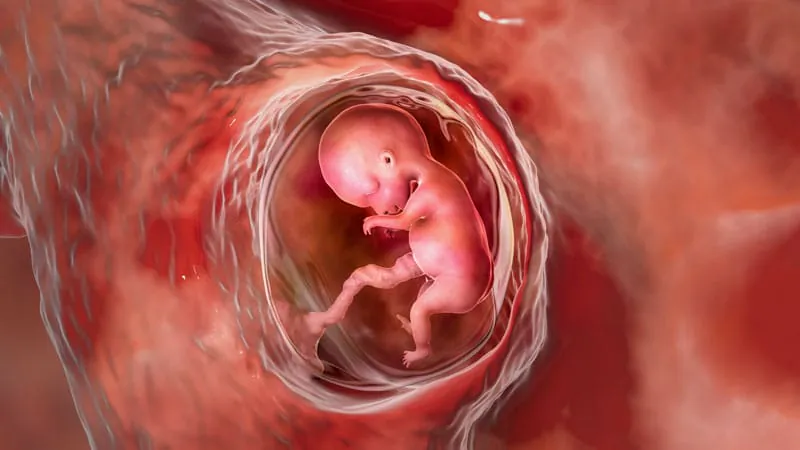
When membranes rupture too early, the type of infection inside the womb matters — a lot. A new study found that intra-amniotic infection significantly raises the odds of early-onset neonatal sepsis and serious adverse outcomes in preterm pregnancies. Notably, non-Ureaplasma bacteria were far more dangerous than Ureaplasma species alone, pointing to the importance of identifying the specific microbial culprit.
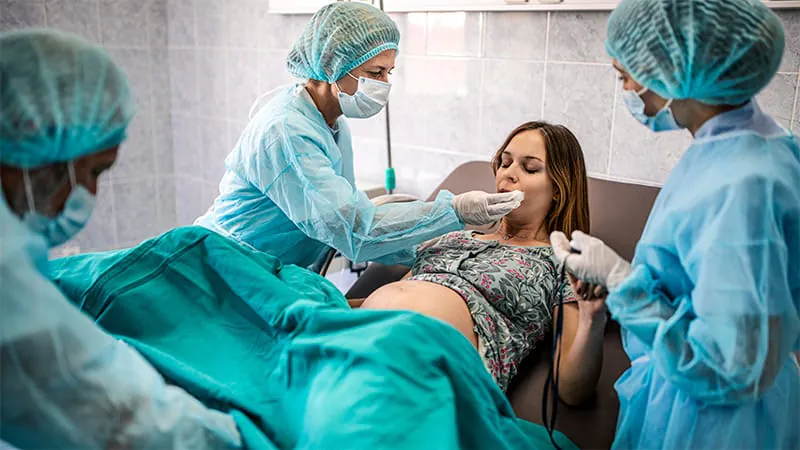
When a pregnant woman's membranes rupture before labor begins prematurely, what's happening inside the amniotic fluid can make a big difference for the baby's survival and health. A large study of 961 women with preterm prelabor rupture of membranes (PROM) found that intra-amniotic infection — where both inflammation and microbial invasion are present — was the most dangerous category, significantly increasing the risk of early-onset neonatal sepsis and serious adverse perinatal outcomes compared to all other amniotic fluid categories combined.
The study also revealed that not all bacteria are equally harmful. Among cases where microbes were detected in the amniotic fluid, non-Ureaplasma bacteria were associated with dramatically worse outcomes than Ureaplasma species, including higher rates of sepsis, brain bleeds, and composite adverse outcomes. Ureaplasma species, which made up nearly two-thirds of all microbial detections, appeared comparatively less harmful.
By the Numbers:
Why it matters: These findings suggest that characterizing the intra-amniotic environment — not just detecting infection broadly — could help clinicians tailor management strategies for preterm PROM, potentially improving outcomes for some of the most vulnerable newborns.