Loading Curie Briefs...
Getting the latest healthcare news for you
Getting the latest healthcare news for you

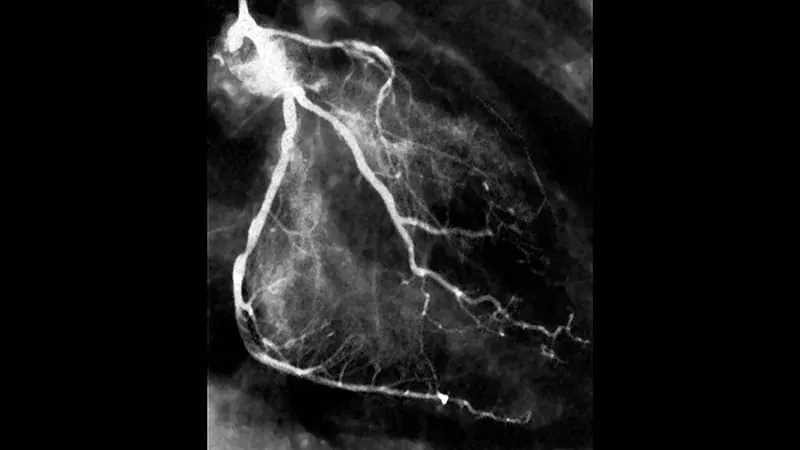
The AIR-STEMI trial shows that using functional coronary angiography to guide treatment in STEMI patients with multivessel disease cuts the risk of major adverse outcomes by 38% compared to conventional angiography. The approach also treated nearly 45% fewer nonculprit vessels, reduced contrast use, and lowered rates of kidney injury and major bleeding. Experts are calling the results "practice changing" and expect them to reshape future guidelines.
For heart attack patients with blockages in multiple coronary arteries, a smarter approach to deciding which vessels to treat is making a big difference. The AIR-STEMI trial, presented at ESC Congress 2026 and published in the New England Journal of Medicine, found that using functional coronary angiography — which incorporates physiology-based FFR assessment directly from the angiogram image, without a wire — led to significantly better outcomes than conventional angiography alone.
The trial enrolled 1,823 STEMI patients with multivessel disease. Those guided by functional angiography had a 38% lower risk of the composite primary outcome (death, MI, stroke, or ischemia-driven revascularization) and a 37% lower risk of the safety composite (acute kidney injury or major bleeding). Crucially, the approach treated nearly 45% fewer nonculprit vessels and used 19% less contrast — without sacrificing outcomes.
Key Takeaways:
Why it matters: Current ESC guidelines actually discourage wire-based functional assessment during STEMI procedures — but AIR-STEMI's wire-free approach sidesteps that limitation entirely. Experts anticipate this data will prompt a guideline revision when the next ESC acute coronary syndrome recommendations are issued in 2027.