Loading Curie Briefs...
Getting the latest healthcare news for you
Getting the latest healthcare news for you

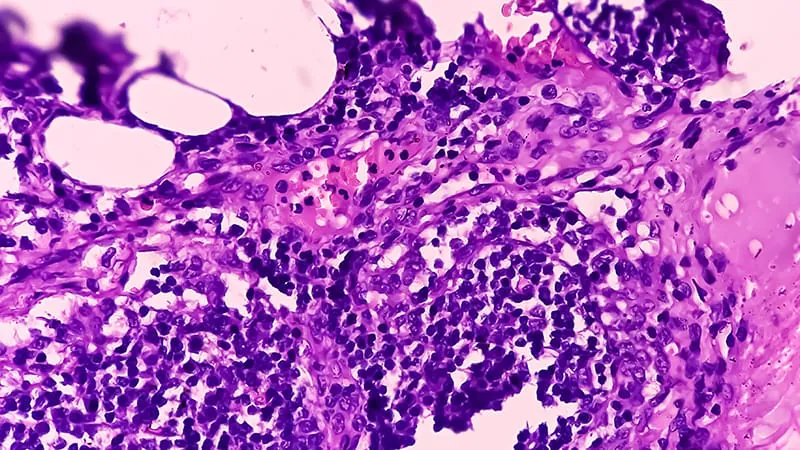
Researchers found that RET fusion positivity is a strong independent risk factor for hidden lymph node metastasis in papillary thyroid cancer (PTC) patients who appear lymph node-negative on imaging. A new machine learning model combining molecular, clinical, and ultrasound features achieved solid predictive accuracy. The findings could reshape how clinicians assess surgical risk in PTC — though the model still needs broader validation before routine use.
Papillary thyroid cancer (PTC) is the most common thyroid malignancy, and one of its trickiest challenges is detecting lymph node spread that doesn't show up on preoperative imaging — so-called "occult" metastasis. A new study published in The Journal of Clinical Endocrinology and Metabolism tackled this problem by building a machine learning model to predict occult lymph node metastasis in clinically node-negative (cN0) PTC patients.
Researchers analyzed 961 cN0 PTC patients and used multivariate analysis to identify key risk factors, then trained eight machine learning models using clinical, ultrasound, and molecular data. The standout performer was a random forest model, which combined molecular markers with imaging and patient characteristics to flag high-risk cases.
By the Numbers
Why it matters: Hidden lymph node metastasis in thyroid cancer is linked to worse outcomes, yet it's hard to detect before surgery. This model — combining molecular biomarkers like RET fusion and BRAF mutation with imaging data — could help surgeons make better-informed decisions about the extent of surgery. That said, the authors urge caution: the model needs external validation before it's ready for clinical use.