Loading Curie Briefs...
Getting the latest healthcare news for you
Getting the latest healthcare news for you

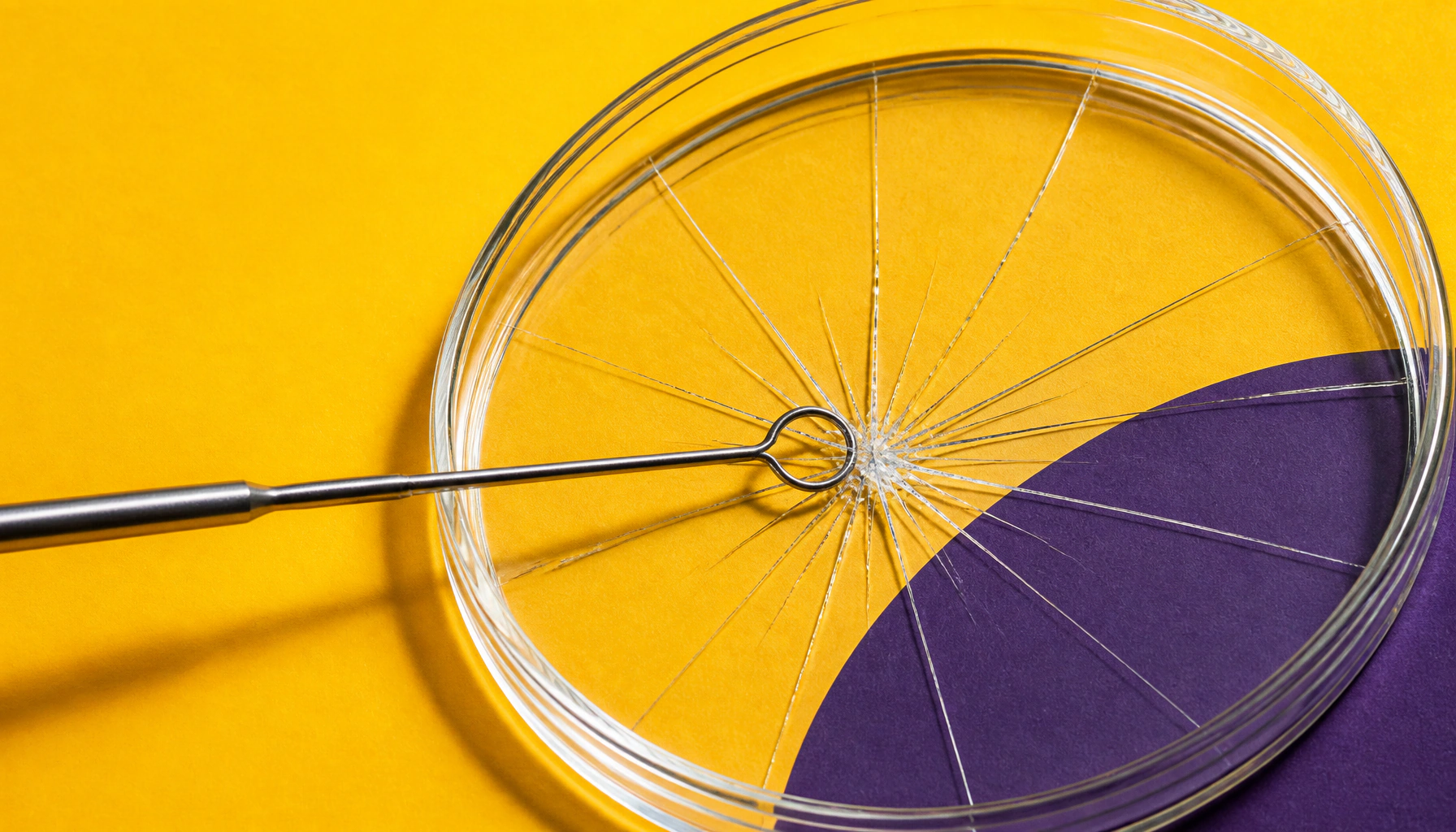
Bacteria's own tails can kill them — and that's a big deal for antibiotic research. Indiana University scientists found that building flagella (the whip-like tails bacteria use to swim) creates dangerous stress on the bacterial cell wall. A protein called PBP1 normally patches this damage, but without it, bacteria burst open and die — revealing a potential new drug target in the fight against antibiotic resistance.
Scientists at Indiana University have discovered a surprising vulnerability in bacteria: the very process of building their flagella — the spinning, whip-like tails they use to move — can be lethal to the bacteria themselves. Published in the Proceedings of the National Academy of Sciences, the study reveals an unexpected link between flagellum construction and cell wall integrity that researchers say could open new doors in antibiotic development.
When bacteria build a flagellum, they must push components through their cell wall — a tough, mesh-like layer made of peptidoglycan (the same structure targeted by antibiotics like penicillin). The team found that once a key flagellum piece (the "hook") is complete, it triggers enzymes that break down the cell wall. Normally, a repair protein called PBP1 patches this damage in real time. Without it, the wall collapses and the bacterium dies.
Key Takeaways:
Why it matters: With antibiotic resistance on the rise, finding new bacterial weak points is critical. This research suggests that disrupting a bacterium's ability to safely build its own movement tools could be a viable — and novel — therapeutic strategy.