Loading Curie Briefs...
Getting the latest healthcare news for you
Getting the latest healthcare news for you

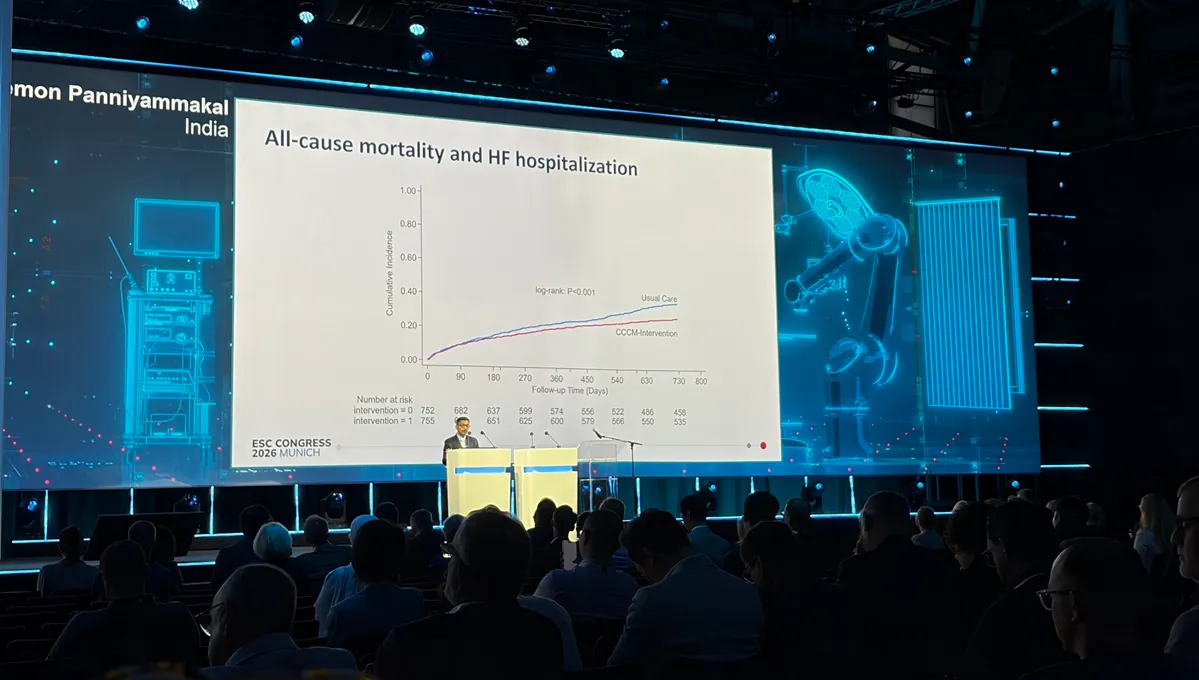
A nurse-led care model using mobile health tech significantly improved outcomes for heart failure patients in India. The TIME-HF trial found an 8% increase in days alive and out of the hospital, plus a 22% lower risk of death at 24 months. Researchers say the model is ready for broader adoption, especially in low-resource settings.
A nurse-led collaborative care model (CCM) combining mobile health technology, self-care education, and active follow-up significantly improved outcomes for patients with heart failure with reduced ejection fraction (HFrEF), according to the TIME-HF trial presented at the European Society of Cardiology Congress 2026. The India-based cluster-randomized controlled trial enrolled 1,507 patients across 22 hospitals, with nearly 60% living in rural areas.
Patients in the intervention group used an mHealth app to log symptoms, blood pressure, weight, and heart rate in real time, with nurses receiving alerts for out-of-range values. Nurses then triaged patients, prioritized follow-up intensity, and coordinated care — reducing unnecessary trips to cardiologists. The model also included structured counseling on diet, physical activity, and medication adherence.
By the Numbers:
Why it matters: With GDMT severely underutilized in India and other low-resource settings, TIME-HF offers a scalable, nurse-driven blueprint for closing the gap between evidence and practice — potentially saving lives well beyond India's borders.