Loading Curie Briefs...
Getting the latest healthcare news for you
Getting the latest healthcare news for you

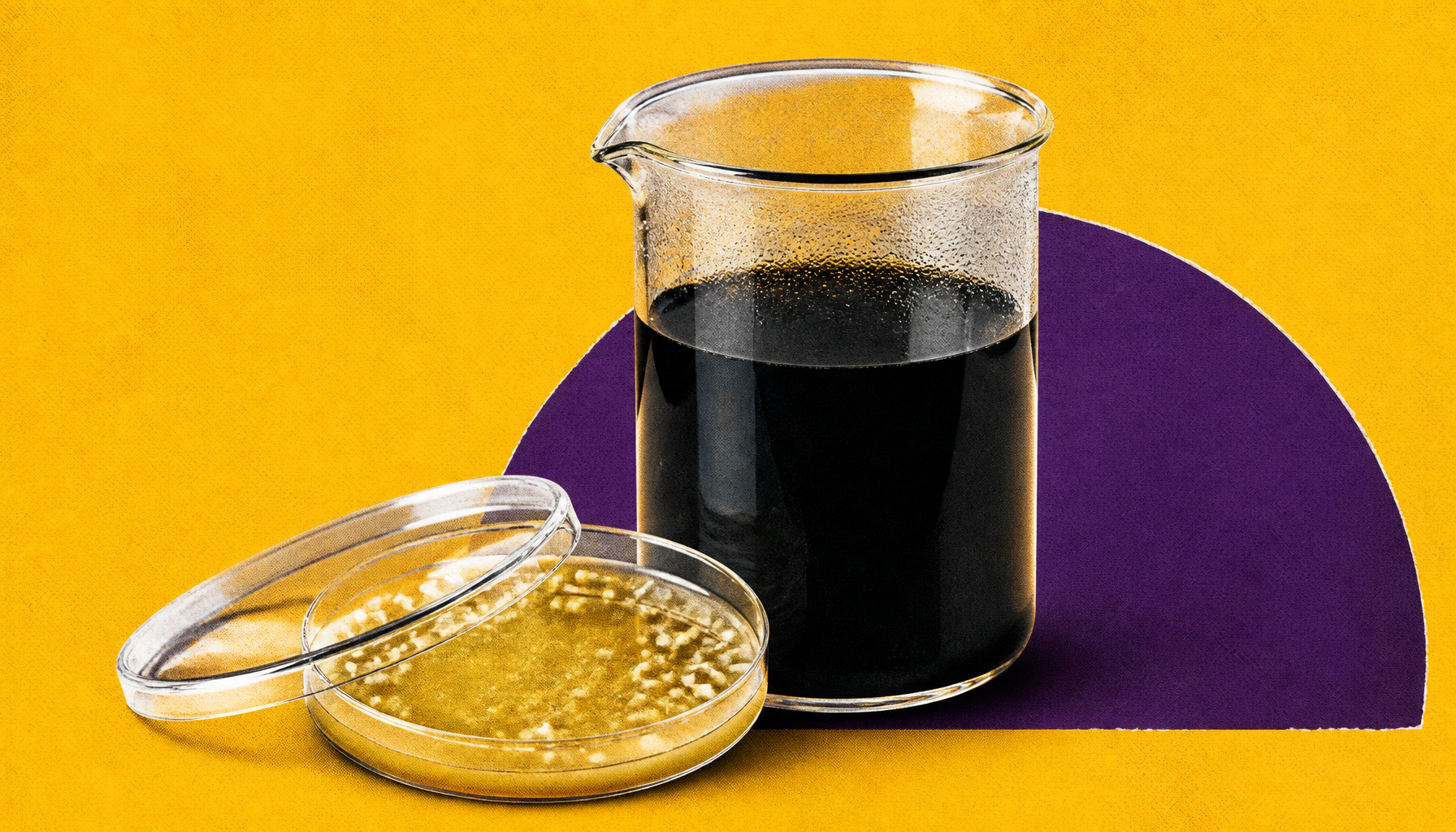
Caffeine activates AMPK, an ancient cellular energy sensor tied to stress resistance, DNA repair, and aging. Researchers at Queen Mary University of London made the discovery using fission yeast, a model organism that shares key biological features with human cells. The findings could open new doors for longevity research — and give coffee lovers one more reason to enjoy their cup.
Your morning coffee may be doing more than keeping you alert. Researchers at Queen Mary University of London have found that caffeine activates AMPK (AMP-activated protein kinase) — an ancient cellular energy sensor that helps cells manage low-energy states, resist stress, and repair DNA. The study, published in Microbial Cell, used fission yeast, a single-celled organism that shares many core biological features with human cells, earning it the nickname "mini-human" in research circles.
The discovery is a surprising twist on earlier work from the same lab, which had shown caffeine could extend cell lifespan by influencing TOR, a growth-regulating pathway. The new findings suggest caffeine's effects run deeper — tapping into AMPK, a pathway also linked to metformin, the widely studied diabetes drug now being explored for its potential anti-aging properties.
Key Takeaways:
Why it matters: These findings offer a molecular explanation for caffeine's previously observed links to healthier aging and age-related disease risk reduction, and could guide future research into diet, lifestyle, or drug-based strategies that mimic these effects.