Loading Curie Briefs...
Getting the latest healthcare news for you
Getting the latest healthcare news for you

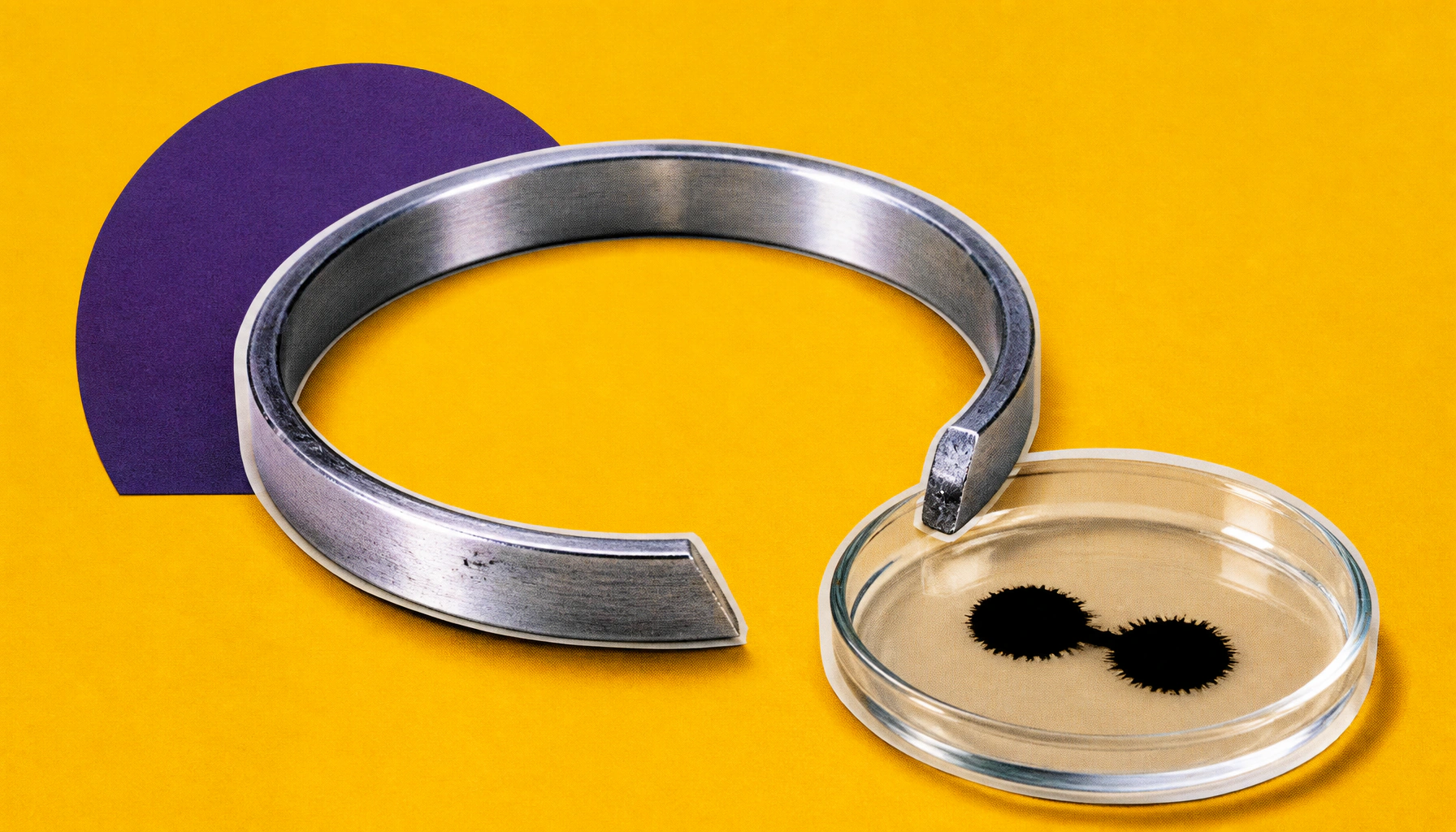
A new study published in Nature Genetics is flipping the textbook view of euchromatin — the "active" part of our genome. Researchers found that euchromatin actually forms dynamic condensed domains in living human cells, and a protein called cohesin keeps these domains from mixing. When cohesin is lost, neighboring domains blur together, disrupting gene regulation — a finding with big implications for cancer and developmental disorders.
For decades, biology textbooks have described euchromatin — the active portion of our genome — as loose, open, and accessible. A new international study led by Professor Kazuhiro Maeshima at Japan's National Institute of Genetics is challenging that view. Published in Nature Genetics on September 8, 2026, the research shows that euchromatin in living human cells actually forms dynamic condensed domains, and that a ring-shaped protein complex called cohesin plays a critical role in keeping those domains from mixing with one another.
Using single-nucleosome imaging and super-resolution 3D microscopy, the team found that removing cohesin made nucleosomes within euchromatic domains more fluid — without changing overall chromatin compaction. This local domain mixing had real functional consequences: neighboring gene domains became more likely to activate together, weakening what's known as transcriptional insulation.
Key Takeaways:
Why it matters: Cohesin dysfunction is already linked to developmental disorders and cancer. Understanding how cohesin physically controls chromatin domain behavior could open new avenues for understanding — and potentially targeting — how genome regulation breaks down in disease.