Loading Curie Briefs...
Getting the latest healthcare news for you
Getting the latest healthcare news for you

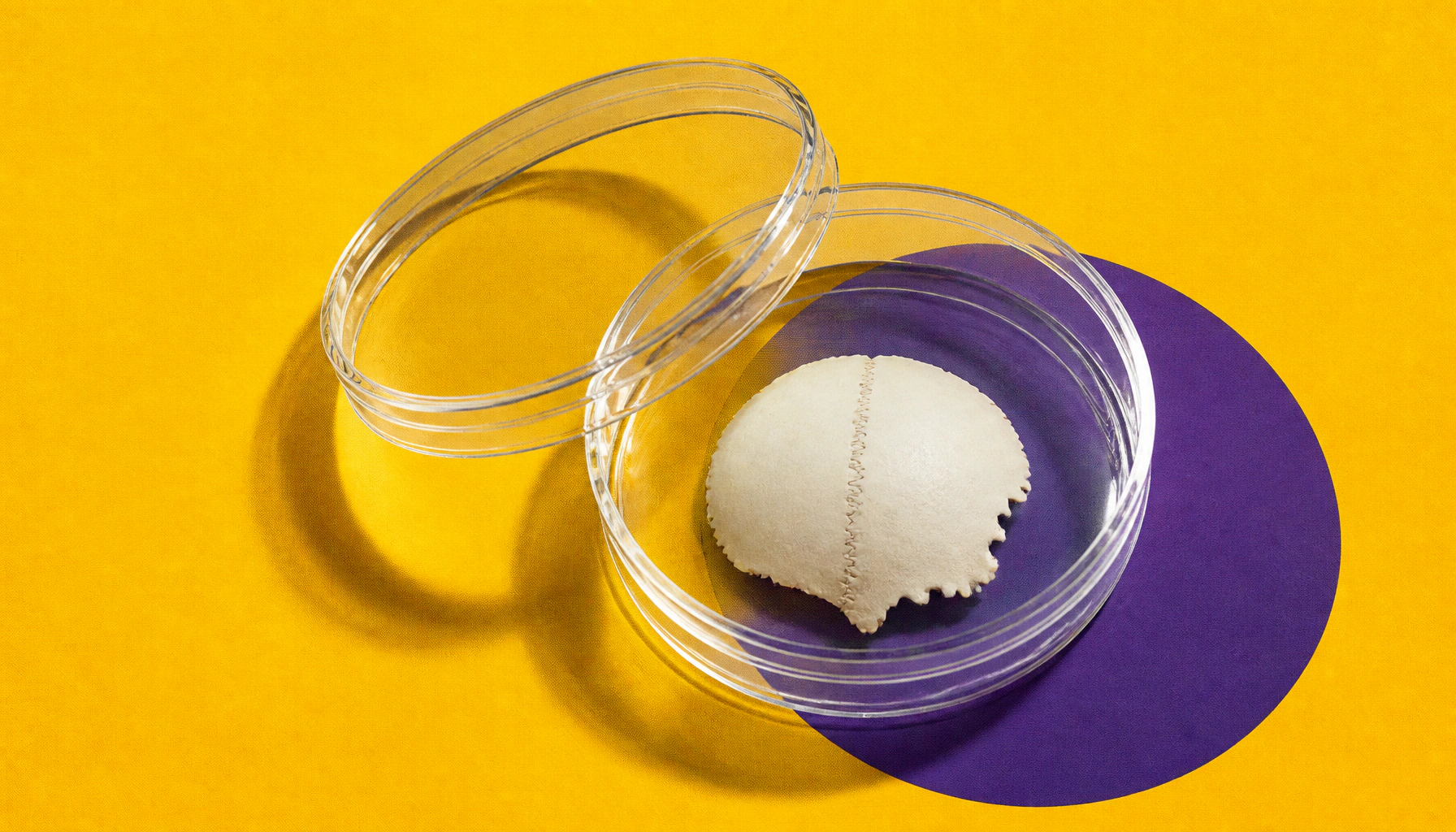
Two collagen receptors — β1 integrin and DDR2 — work as a team to drive bone repair, a new mouse study reveals. When both receptors were deleted in skeletal progenitor cells, bone regeneration dropped by 73%, far worse than losing either receptor alone. The findings could point toward smarter, dual-target strategies for treating cranial bone injuries and skeletal disorders.
When bones need to heal, skeletal progenitor cells (SPCs) rush to the injury site, multiply, and transform into bone-forming cells. A key part of that process is how SPCs "read" their collagen-rich surroundings — and a new study published in the International Journal of Oral Science reveals that two receptors, β1 integrin and DDR2, don't just work independently but actively cooperate to make bone regeneration happen.
Researchers engineered mice lacking one or both receptors in SPCs, then created skull defects treated with BMP2 (a bone-promoting protein) and tracked healing over four weeks. Losing either receptor alone slowed repair, but knocking out both caused dramatically worse outcomes — and genetic experiments confirmed the two receptors genuinely cooperate rather than simply add up their individual effects.
By the Numbers:
Why it matters: Cranial bone defects from trauma, surgery, or disease are notoriously difficult to repair. Understanding that β1 integrin and DDR2 form a cooperative collagen-sensing system opens the door to dual-target therapies that could significantly boost bone regeneration outcomes for patients with skeletal injuries or degenerative disorders.