Loading Curie Briefs...
Getting the latest healthcare news for you
Getting the latest healthcare news for you

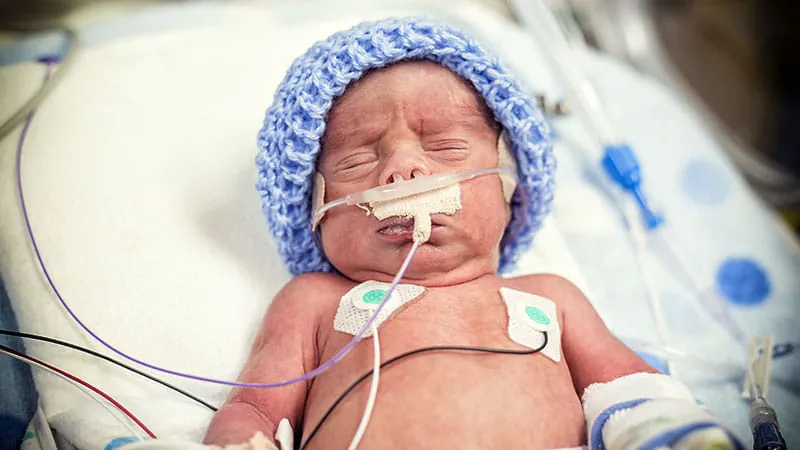
Premature babies with congenital heart disease face steeper developmental challenges. A new study found that preterm infants with CHD who had cardiac surgery scored significantly lower on cognitive and motor assessments than their full-term peers — with the earliest-born babies faring the worst. Researchers say enhanced neurodevelopmental monitoring and early intervention are urgently needed for this high-risk group.
Premature birth is already a tough start, but for infants with congenital heart disease (CHD), it compounds an already complex picture. A retrospective cohort study out of Boston Children's Hospital tracked 513 children with CHD who underwent cardiac surgery in infancy, assessing their cognitive, language, and motor development at around 26 months of age. The findings, published in the Journal of the American Heart Association, show that the earlier a baby was born, the worse their developmental outcomes — even after accounting for other risk factors.
The most severely preterm infants (born 4+ weeks early) showed the starkest gaps, with cognitive scores averaging 10 points lower and motor scores a striking 15 points lower than full-term peers. Even late-preterm (34–36 weeks) and early-term (37–38 weeks) babies showed meaningful deficits across multiple domains. Beyond gestational age, lower caregiver education, Black race, longer hospital stays, and a genetic diagnosis were also independent risk factors for worse outcomes.
By the Numbers:
Why it matters: Children with CHD are already at elevated neurodevelopmental risk due to the nature of their condition and surgical interventions. This study highlights that prematurity significantly amplifies that risk, making early, targeted developmental surveillance not just helpful — but essential.