Loading Curie Briefs...
Getting the latest healthcare news for you
Getting the latest healthcare news for you

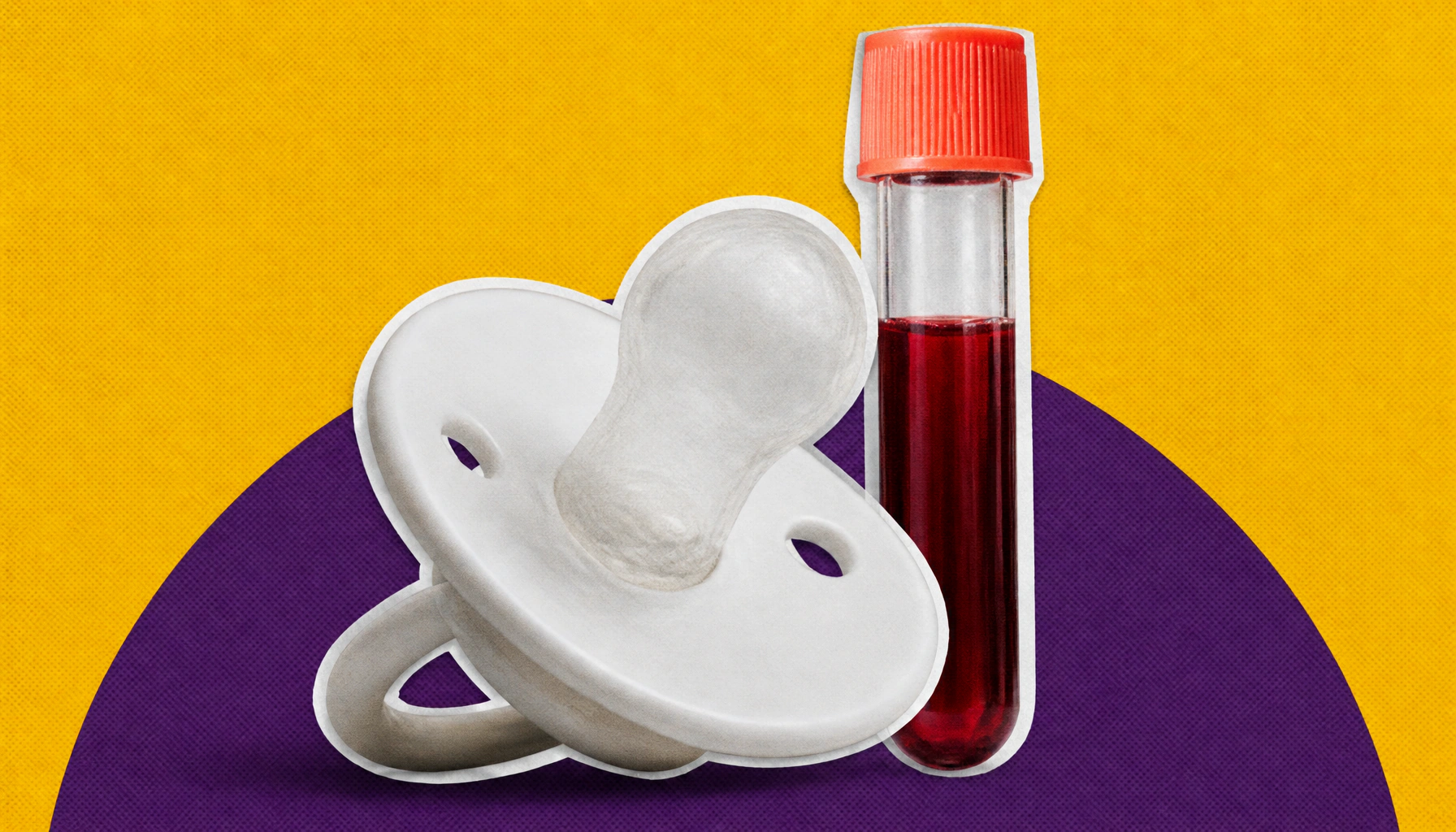
Sensitive parenting can buffer ADHD risk tied to prenatal inflammation. A new study found that children exposed to higher levels of maternal inflammation during pregnancy only showed more ADHD symptoms at age 3 when their mothers also demonstrated low sensitivity during infancy. High maternal sensitivity effectively cancelled out that risk, suggesting early caregiving quality plays a powerful protective role.
New research published in The Journal of Child Psychology and Psychiatry suggests that how warmly and responsively a mother interacts with her infant can significantly shape whether prenatal inflammation translates into ADHD symptoms by age 3. The study, drawing from the longitudinal PEACH Study, tracked 302 children and 297 mothers, measuring maternal inflammation via blood samples at 24–26 weeks of gestation and observing mother-infant interactions at 6 months.
The key finding: prenatal inflammation alone wasn't enough to predict ADHD symptoms — it only mattered when paired with low maternal sensitivity. Children of highly sensitive mothers showed no significant link between gestational inflammation and ADHD symptoms, while those with less sensitive caregiving faced a notably higher risk.
Key Takeaways:
Why it matters: This study highlights a modifiable factor — caregiving quality — that clinicians and public health programs can target to reduce ADHD risk in biologically vulnerable children, offering a practical avenue for early intervention.