Loading Curie Briefs...
Getting the latest healthcare news for you
Getting the latest healthcare news for you

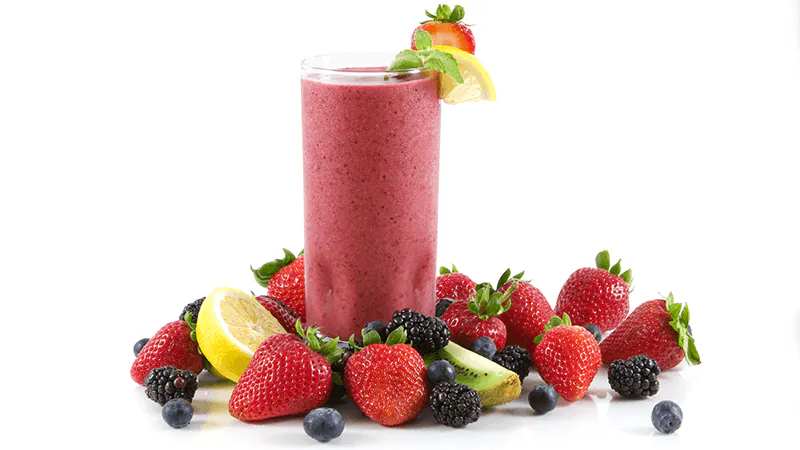
Social media is buzzing with claims that certain smoothies can "boost" your body's GLP-1 production — but experts say that's mostly hype. While some smoothie ingredients like protein, fiber, and healthy fats can support satiety and nutrition for people already on GLP-1 medications, no food can meaningfully replicate or replace these drugs. Read labels carefully — some marketed GLP-1 smoothies pack more calories than a glazed donut.
Social media is flooded with claims that specially crafted smoothies can "boost" your body's natural GLP-1 production — think "natural Ozempic smoothies" and viral "Wegovy smoothie" recipes. But experts are urging caution. According to Dr. Amy Rothberg of the University of Michigan, while some foods (like Greek yogurt, leafy greens, oats, and berries) can modestly enhance satiety, any GLP-1 "boost" is short-lived and far from a medication substitute.
Where smoothies do have a legitimate role: supporting nutrition for people already on GLP-1 drugs. A joint advisory from four major medical societies supports using protein- and fiber-rich smoothies to help patients meet nutrient needs when appetite is suppressed. A small cross-sectional study of 69 GLP-1 users found widespread deficiencies in fiber, calcium, vitamins A, C, D, and E, and protein — highlighting a real nutritional gap these medications can create.
Key Takeaways:
Why it matters: As GLP-1 medications become mainstream, patients are increasingly vulnerable to wellness marketing that overpromises. Clinicians need to help patients distinguish evidence-based nutritional support from social media-driven fads — and flag that not all "GLP-1 friendly" products live up to their labels.