Loading Curie Briefs...
Getting the latest healthcare news for you
Getting the latest healthcare news for you

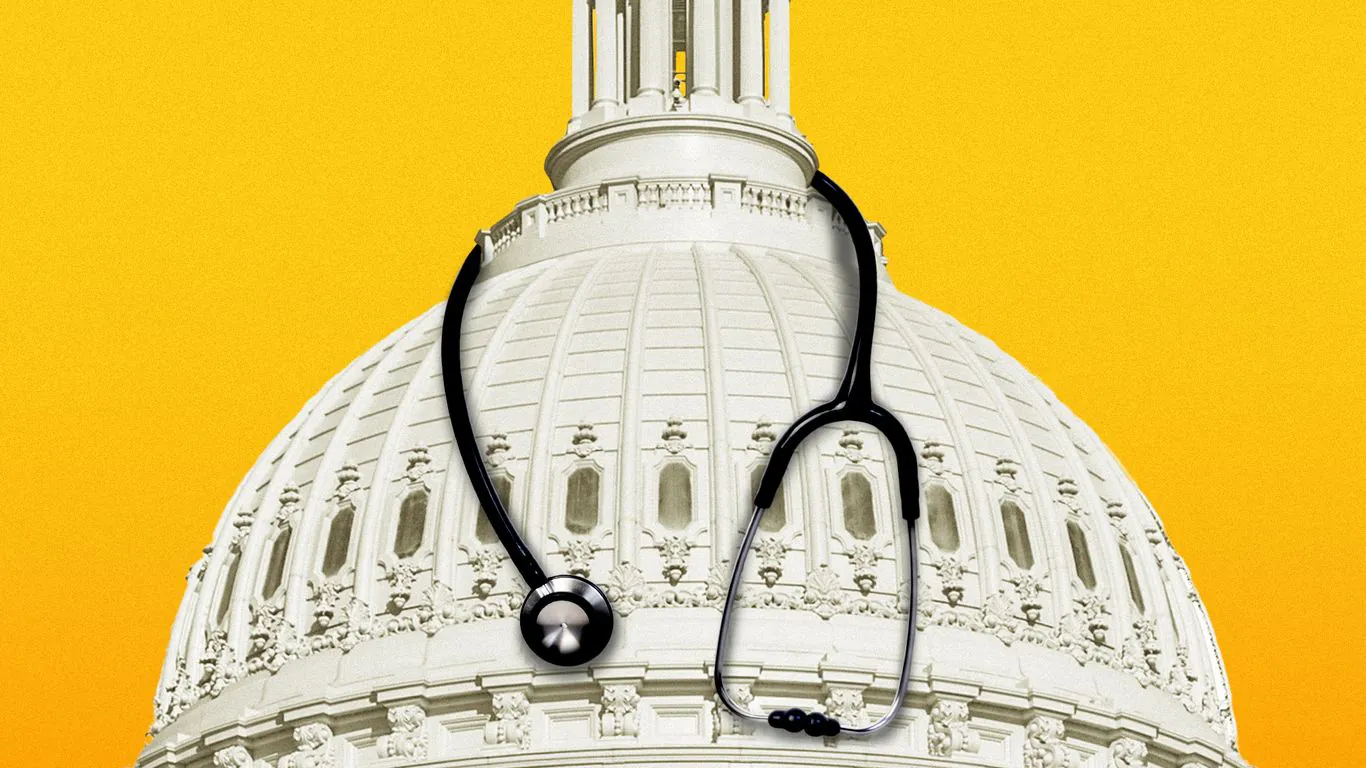
Forget coverage debates — 2026 midterm candidates are making "corruption" the centerpiece of their healthcare messaging. Both Democrats and Republicans are accusing opponents of being in the pockets of Big Pharma and insurers, tapping into widespread voter anger over rising medical costs. But the rhetoric often sidesteps concrete policy solutions.
Healthcare campaigning has gotten a makeover. Ahead of the 2026 midterms, candidates across the political spectrum are ditching traditional coverage-and-cost talking points in favor of a sharper message: their opponents are corrupt and beholden to powerful health industry interests. From Iowa's hotly contested 1st Congressional District to Senate races in Michigan, New Hampshire, and Nebraska, accusations of coziness with Big Pharma and insurers are flying in both directions.
The strategy is resonating because it taps into something real — polling consistently shows medical costs are Americans' top economic concern. A survey by Lake Research Partners found voters believe rising costs stem from "corporate greed, corrupt CEOs and price gouging," and that fixing the system requires taking on political corruption and special interests. Democratic challengers are spotlighting opponents' campaign contributions, while Republicans are leaning into fraud narratives around Medicaid and ACA subsidies.
Key Takeaways:
Why it matters: The shift toward anti-corruption framing signals a deeper erosion of public trust in the healthcare system. But experts warn that without concrete reform agendas, the rhetoric may energize voters without delivering meaningful change.